


Weft Extensions Pros and Cons: What You Need to Know
Weft extensions are the right choice for women who want lasting volume or length and are willing to commit to professional upkeep every 6–8 weeks. Industry coverage citing Professional Beauty Association data reports that a strong majority of salon clients prefer wefts for the most natural-looking result compared with other methods. That preference makes sense: a well-matched, properly installed weft sits flush against the scalp and moves with your natural hair in a way that clip-ins and single-strand bonds rarely replicate. The clinical caution worth knowing upfront is that improperly applied wefts can cause scalp irritation or breakage, so installation quality is not optional.
Who benefits most from weft extensions:
- Fine hair: Hand-tied or Genius wefts sit flat and add volume without visible bulk at the seam.
- Medium to thick hair: Machine wefts and sew-in methods handle density well and deliver dramatic volume.
- Thinning hair coverage: Genius/flat wefts layered strategically can disguise sparse areas without adding excessive weight.
- Low-maintenance seekers: Wefts may not be the best fit. Clip-ins or a V-Part topper may suit your lifestyle better.
Pro Tip: Before booking an install, ask your stylist to hold a single weft against your parting in natural light. If the seam is visible, request a thinner option or a different attachment method.
Key Takeaways
Weft extensions deliver lasting volume and a natural look when installed with the right method for your hair type, but the maintenance commitment and tension risk are real factors that require honest assessment before you book.
| Point | Details |
|---|---|
| Best candidates | Women with medium to thick hair seeking long-term volume or length benefit most from weft extensions. |
| Tension risk is real | Roughly 32% of long-term users in a cited study summary experienced scalp irritation or breakage from poorly applied extensions. |
| Move-up schedule | Plan for a professional appointment every 6–8 weeks; skipping move-ups increases tension and damage risk. |
| Hair quality matters | 100% human Remy, double-drawn wefts last 6–12 months or longer and outperform non-Remy options in durability and blend. |
| Hairlockshairextensions option | The Genius Weft 22" double-drawn offers an ultra-thin seam and full cuticle integrity, backed by Michele’s 30 years of consultation expertise. |
Table of Contents
- What weft extensions are and the main salon types
- 1. You get a genuinely natural look that blends well
- 2. Weft extensions are durable and can be reused
- 3. They offer styling freedom most other methods cannot match
- 4. The cost-per-gram value is strong compared with some alternatives
- 5. Tension and traction alopecia are real risks
- 6. Seam visibility is a genuine concern on fine or thin hair
- 7. Maintenance demands are higher than most people expect
- How long weft extensions last and what they typically cost
- Everyday care: washing, brushing, sleeping, and swimming
- What to expect during installation and removal
- How to choose the right weft type for your hair and lifestyle
- Why premium human wefts and expert consultation matter
- The thing most weft extension guides get wrong
- Ready to find the right weft for your hair?
- Sources
- FAQ
What weft extensions are and the main salon types
A weft is a length of hair sewn or bonded along a horizontal track, creating a continuous curtain of hair that attaches to your natural hair in one row rather than strand by strand. That single-row structure is what separates wefts from tape-ins (which use adhesive panels) and micro-link or keratin-bond methods (which attach individual strands). The track can be machine-stitched or hand-sewn, and that distinction shapes everything from seam thickness to price.
The main weft types you will encounter:
- Machine weft: A thick, durable track stitched by machine. Holds up well to cutting and layering. Best for thicker hair and high-volume looks. Machine wefts are thicker and better suited to dense hair, while hand-tied options are thinner and flatter.
- Hand-tied weft: Sewn by hand, producing a very thin, flexible seam. Lies flat on fine hair and causes less scalp pressure. Costs more and often requires stacking two rows for full volume.
- Sew-in / weave weft: The weft is sewn onto a braided base (cornrow). Sew-in methods suit thicker or coarse hair because the braid conceals the track naturally.
- Genius weft / flat weft: A hybrid design combining a hand-tied thinness with machine-weft durability. The seam is ultra-thin, making it a strong option for fine-but-wanting-volume clients.
- Micro weft / micro-bead weft: A narrow weft attached using small silicone-lined beads rather than sewing or glue. Micro-bead methods avoid heat and adhesive, which reduces thermal and chemical stress on your hair.
- Tape-weft hybrid: A weft panel with adhesive tape applied along the track. Distinct from standard tape-in extensions (which use smaller pre-taped sections) because the weft itself is wider and heavier.
1. You get a genuinely natural look that blends well
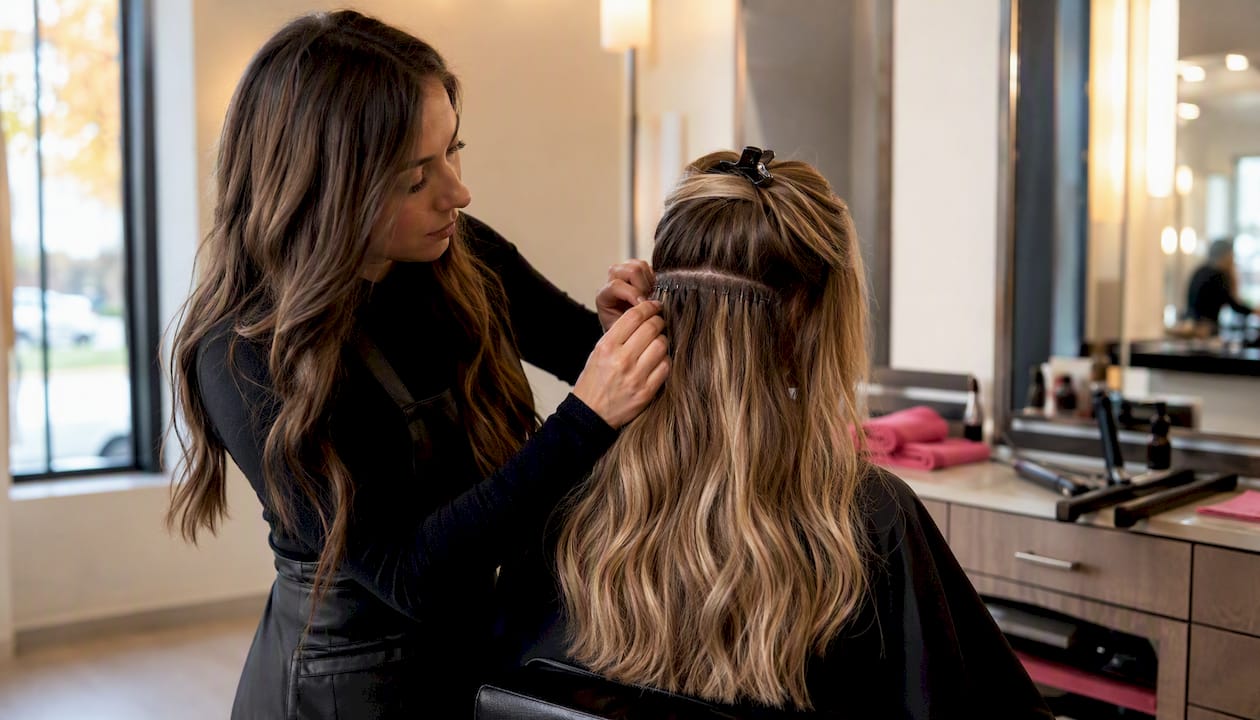
Professional weft methods deliver strong blending when the hair is full-cuticle human Remy and the color is matched carefully. Because the weft runs in a continuous row, the density distribution across your head looks even. There are no gaps between bonds, no visible attachment points mid-strand. For formal styling, weddings, or ongoing thinning coverage, that consistency is hard to replicate with other methods.
2. Weft extensions are durable and can be reused
High-quality human wefts typically last many months with proper care, and some double-drawn Remy wefts hold up even longer when stored correctly between installs. That reusability changes the cost math significantly. You pay for the hair once, then pay only for move-up appointments regularly rather than buying new hair each time. Quality wefts are reusable when properly stored, which is part of why salon professionals favor them for repeat clients.
3. They offer styling freedom most other methods cannot match
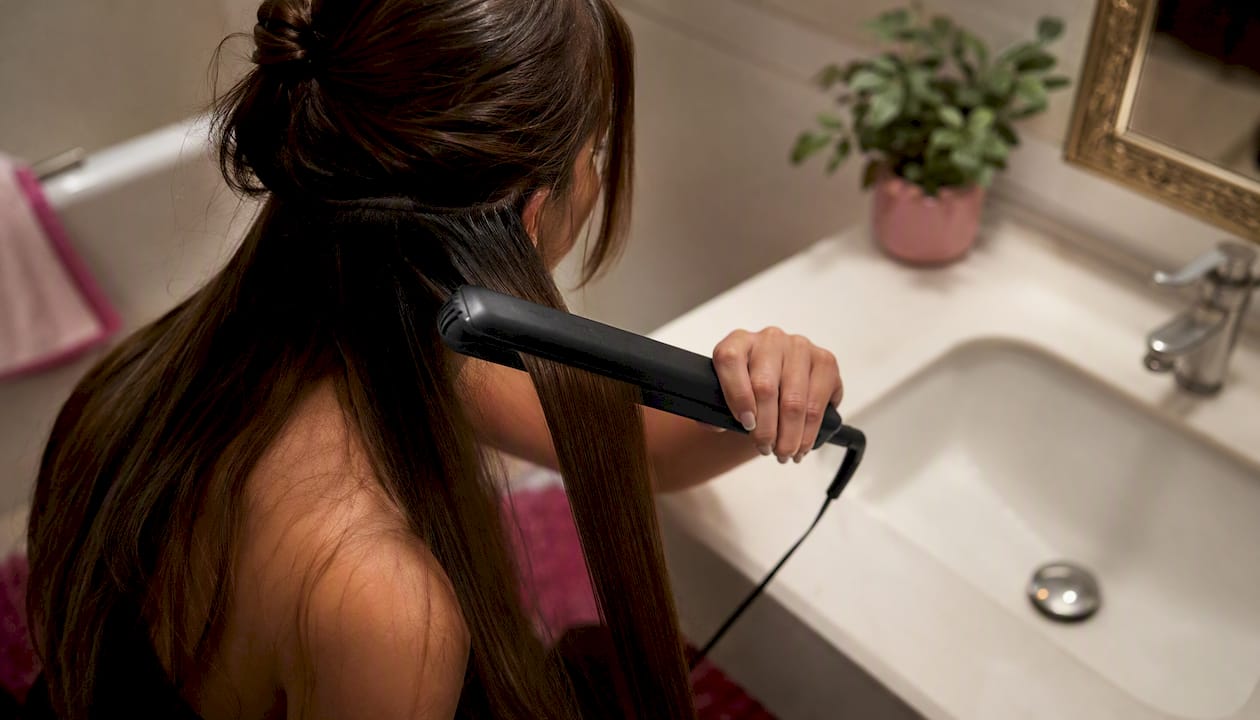
Synthetic wefts cannot tolerate heat above roughly 250°F without damage. Human Remy wefts behave like your own hair under a flat iron or curling wand. Volume wefts and machine wefts add enough density for blowouts and braided styles. Hand-tied and Genius wefts sit flat enough that a high ponytail or bun rarely exposes the track.
4. The cost-per-gram value is strong compared with some alternatives
Wefts deliver more hair per dollar than many single-strand methods because you are buying hair in bulk along a track rather than paying for individual pre-bonded tips. Machine wefts in particular offer a high gram-per-dollar ratio, which is why they remain popular for dramatic volume transformations. The tradeoff is that the thicker seam is less discreet on fine hair, so the value calculation depends on your hair type.
5. Tension and traction alopecia are real risks
This is the most important downside to understand before booking. Wefts that are installed too tight, too heavy for your natural density, or left in too long without a move-up can cause traction alopecia, a form of hair loss driven by sustained tension at the root. Industry reporting citing a dermatology source notes that a significant share of long-term extension users experienced some degree of scalp irritation or breakage in a cited study summary. That figure underscores why installation quality and move-up timing matter as much as the hair itself.
Red flags to watch for:
- Persistent headache or scalp tenderness in the 48 hours after install
- Itching or redness directly at the weft attachment points
- Noticeable thinning or short broken hairs near the tracks at move-up
If any of these appear, see your stylist promptly. Do not wait until the next scheduled appointment.
Pro Tip: Ask your stylist to perform a “tug test” on a small section before the full install. If you feel sharp pulling at the root rather than gentle resistance, the tension is too high.
6. Seam visibility is a genuine concern on fine or thin hair
Machine wefts have a thicker track that can create a visible ridge on very fine hair, especially in updos or when the hair is wet. Even hand-tied wefts can show if the row placement is too high or if too few of your natural hairs cover the track. Genius wefts address this most effectively because their seam is the thinnest available, but they cost more and require a skilled stylist to install correctly.
7. Maintenance demands are higher than most people expect
Wefts require sulfate-free shampoo, careful detangling from ends to roots, and regular salon move-ups. Skipping a move-up appointment does not just affect appearance; it increases tension as your natural hair grows and the attachment point shifts away from the scalp. Poorly applied or neglected wefts can cause irritation or breakage, and that risk compounds when maintenance is delayed.
How long weft extensions last and what they typically cost
Salon-installed human wefts need a professional move-up every 6–8 weeks. The weft hair itself, when cared for properly, lasts 6–12 months or longer for high-quality Remy or double-drawn options. That means you may get three to six installs from a single set of wefts before the hair needs replacing.
Factors that affect lifespan:
- Hair quality: 100% human Remy, double-drawn wefts last significantly longer than non-Remy or blended options because the cuticles remain aligned, reducing tangling and matting.
- Attachment method: Micro-bead and hand-tied installs are gentler on the hair shaft, which can preserve both the extension and your natural hair longer than heavier sew-in methods.
- Aftercare consistency: Sulfate-free products, gentle detangling, and correct drying technique directly extend weft life.
For pricing context, weft extension costs vary by hair quality, length, and stylist. Product-only costs for a full set of quality human wefts in the U.S. typically range from a few hundred dollars upward, with professional installation adding to that figure. Double-drawn, Remy wefts command a premium but deliver a noticeably fuller result and longer usable life. A cost-per-month framing often makes premium wefts more competitive than they appear at first glance: if a quality set lasts 12 months across six move-up appointments, the per-month cost of the hair itself is modest.
Everyday care: washing, brushing, sleeping, and swimming
A consistent routine protects both your natural hair and your investment in the extensions.
- Detangle before washing. Use a loop brush or wide-tooth comb, starting at the ends and working upward to the roots. Never brush from the root down through a weft attachment point.
- Wash gently. Use a sulfate-free shampoo. Work it down the hair shaft in a downward motion; avoid scrubbing at the weft seam. For sew-in wefts, pay extra attention to the braid base to prevent product buildup.
- Condition from mid-length to ends. Keep conditioner away from the weft attachment zone. Silicone-heavy conditioners can loosen bead grips or soften adhesive on tape-weft hybrids over time.
- Dry thoroughly. Never sleep on damp extensions. Micro-bead wefts in particular can develop matting at the bead if the hair is not fully dry before bed.
- Protect at night. A loose braid or low ponytail secured with a silk scrunchie, combined with a silk pillowcase, reduces friction and tangling overnight.
- Before swimming. Apply a leave-in conditioner or light oil to the lengths, then braid or twist the hair. Rinse with fresh water immediately after pool or ocean exposure. Chlorine and salt water both accelerate drying and tangling.
For heat styling, keep tools below 375°F on human Remy wefts and avoid direct heat on bead attachments. The HairLocks care guide covers product-specific recommendations and move-up timing in detail.
Pro Tip: Keep a small bottle of lightweight argan oil in your bag for travel. A single drop worked through the mid-lengths before a flight prevents the dry-air tangling that can cause matting by the time you land.
What to expect during installation and removal
Installation time by method:
- Sew-in / weave: 2–4 hours, depending on the number of rows and braid base complexity.
- Hand-tied / Genius weft: 1.5–3 hours for a full install; requires a skilled stylist familiar with the beaded row or hand-tied technique.
- Micro-bead weft: 1.5–2.5 hours; individual bead placement is methodical but precise.
- Tape-weft hybrid: 45–90 minutes for a standard install; fastest of the weft methods.
What installation day looks like:
- Consultation and color match (bring reference photos and, ideally, a strand of your natural hair).
- Sectioning and preparation of the natural hair base (braiding for sew-in; bead placement for micro-bead; parting for hand-tied).
- Weft attachment along each row, checking tension and seam visibility as each section is completed.
- Blending cut to integrate the extension length with your natural ends.
Risks of DIY installation are significant. Incorrect tension is nearly impossible to self-assess, and improper bead crimping or sewing can cause immediate breakage. Removal carries its own risks: professional weft methods require professional skill to avoid tension issues, and that applies equally to removal. Forcing a bead or cutting too close to the natural hair at removal can cause breakage that takes months to recover from.
After removal, expect a brief adjustment period. Some scalp sensitivity and a perception of “thinner” hair are normal as your natural hair settles. A scalp massage and a protein-moisture treatment in the week following removal supports recovery.
How to choose the right weft type for your hair and lifestyle
The right weft depends on four variables: your hair density, your target result, your maintenance tolerance, and your budget.
Decision criteria:
| Hair Type | Best Weft Match | Key Reason |
|---|---|---|
| Fine / low density | Hand-tied or Genius weft | Thinnest seam; least scalp pressure |
| Medium density | Hand-tied or machine weft | Flexible; suits volume and length goals |
| Thick / coarse | Machine weft or sew-in | Durable track handles density; braid base conceals seam |
| Active lifestyle / swimmer | Micro-bead weft | No adhesive; easier to dry and maintain |
| Low maintenance preference | Clip-in or V-Part topper | No salon schedule required |
Questions to ask your stylist before booking:
- What is the gram weight per weft row, and does that suit my density?
- How thick is the seam on the weft you recommend?
- What is your recommended move-up schedule for my hair type?
- Can we do a strand test or a single-row trial before a full install?
For choosing the best weft for your hair profile, a free color-matching consultation removes much of the guesswork around shade and texture.
Red flags before booking:
- No consultation offered before purchase or install
- Pressure to buy significantly more hair than your density requires
- Vague or absent aftercare instructions
- No discussion of move-up scheduling or tension management
Why premium human wefts and expert consultation matter
The difference between a weft install that causes damage and one that lasts 12 months without incident usually comes down to two things: material quality and the person installing it.
Hairlockshairextensions founder Michele brings 30 years of hands-on experience to every consultation. That depth of practice shapes how installs are approached: measure natural density first, trial a small section before committing to a full row, and select the seam thickness that sits flush without lifting the natural hair. Those steps are not standard practice everywhere, and skipping them is where most weft-related damage originates.
That alignment is what prevents tangling and matting and keeps the weft looking fresh through multiple installs. The Genius Weft 22" double-drawn from Hairlockshairextensions is a strong example: ultra-thin seam, full cuticle integrity, and a double-drawn construction that delivers consistent density from root to tip rather than tapering at the ends.
What sets a quality install apart:
- Color-matched by a specialist, not estimated from a swatch card
- Weight per row calibrated to your natural density, not a standard formula
- Seam thickness chosen for your hair type, not just what is in stock
- A before/after record so you and your stylist can track results over time
The before and after gallery at Hairlockshairextensions shows the range of results achievable when material quality and installation expertise align. For readers considering their first weft install, that visual record is worth reviewing before choosing a method or a stylist.
The thing most weft extension guides get wrong
Most articles frame the weft extensions pros and cons conversation as a simple checklist: durability on one side, maintenance cost on the other. That framing misses the real decision point, which is not whether wefts are good or bad in the abstract, but whether the person installing them has the skill and the honesty to match the method to your specific hair.
The conventional advice says “choose hand-tied for fine hair.” That is correct as far as it goes. What it leaves out is that a hand-tied weft installed by someone who underestimates your density, or who places the row too close to the hairline, will cause the same tension damage as a machine weft placed carelessly. The method is not the protection. The consultation is.
The second thing guides understate is the compounding cost of skipping move-ups. Women often delay the 6–8 week appointment because of cost or scheduling. But a delayed move-up does not just affect appearance; it shifts the attachment point further from the scalp, increasing leverage and tension on the root. Two skipped appointments can undo months of careful aftercare.
The practical takeaway: prioritize the stylist’s consultation process over the weft type. A skilled practitioner who asks about your density, tests tension on a single row, and gives you a clear move-up schedule is worth more than any particular weft brand or method. The hair matters. The hands matter more.
Ready to find the right weft for your hair?
Premium human hair and 30 years of expertise make a measurable difference in how your extensions look, feel, and last. Hairlockshairextensions offers 100% human Remy wefts, including the Genius Weft 22" double-drawn, alongside a free personal color-matching service so your shade is right before a single strand is installed. Every consultation with founder Michele is built around your hair density and lifestyle, not a standard formula.
Whether you are weighing hand-tied versus machine wefts, considering micro-bead extensions as a heat-free alternative, or simply want to see what is possible before committing, the before and after gallery is a good place to start. When you are ready to move forward, book a consultation directly through Hairlockshairextensions and bring your questions about weight, seam thickness, and move-up scheduling. That conversation is where the right result begins.
Sources
- Weft Extensions Pros and Cons: Ultimate Guide for Salon Professionals
- Weft Hair Extensions Pros and Cons: You Need to Know - Alove Hair
- Weft Hair Extensions Pros And Cons: Are They Worth It?
- What Are The Pros and Cons of Weft Hair Extensions?
- Micro Bead Hair Extensions: Pros and Cons - Emeda hair
FAQ
What are the main downsides of weft extensions?
The primary risks are tension-related hair loss if the weft is installed too tight, visible seam lines on fine hair, and a demanding maintenance schedule requiring professional move-ups every 6–8 weeks. Skipping appointments increases tension at the root and accelerates damage.
What is the healthiest hair extension method?
Micro-bead wefts are generally considered among the gentler options because they avoid heat and adhesive, reducing thermal and chemical stress on the hair shaft. However, any method, including micro-bead, can cause tension damage if beads are over-tightened or left without adjustment for too long.
How long do weft extensions typically last?
With proper care, high-quality human Remy wefts last 6–12 months or longer across multiple installs. The attachment itself needs a professional move-up every 6–8 weeks as your natural hair grows.
Can I wear my hair up with weft extensions?
Yes, in most cases. Hand-tied and Genius wefts sit flat enough that a high ponytail or bun rarely exposes the track. Machine wefts have a thicker seam that may show in very high or sleek styles, so placement and row count matter when updos are a priority.
Recommended
- Best Weft Extensions for Natural Volume in Australia – HairLocks Hair Extensions
- Weft Extensions Cost in Australia: 2026 Price Guide – HairLocks Hair Extensions
- Professional Hair Extensions Gold Coast: The Ultimate Guide to Luxury – HairLocks Hair Extensions
- Best Extensions for Fine Hair: Safe Methods That Work – HairLocks Hair Extensions