

Double Drawn vs Single Drawn Hair: Which Should You Buy?
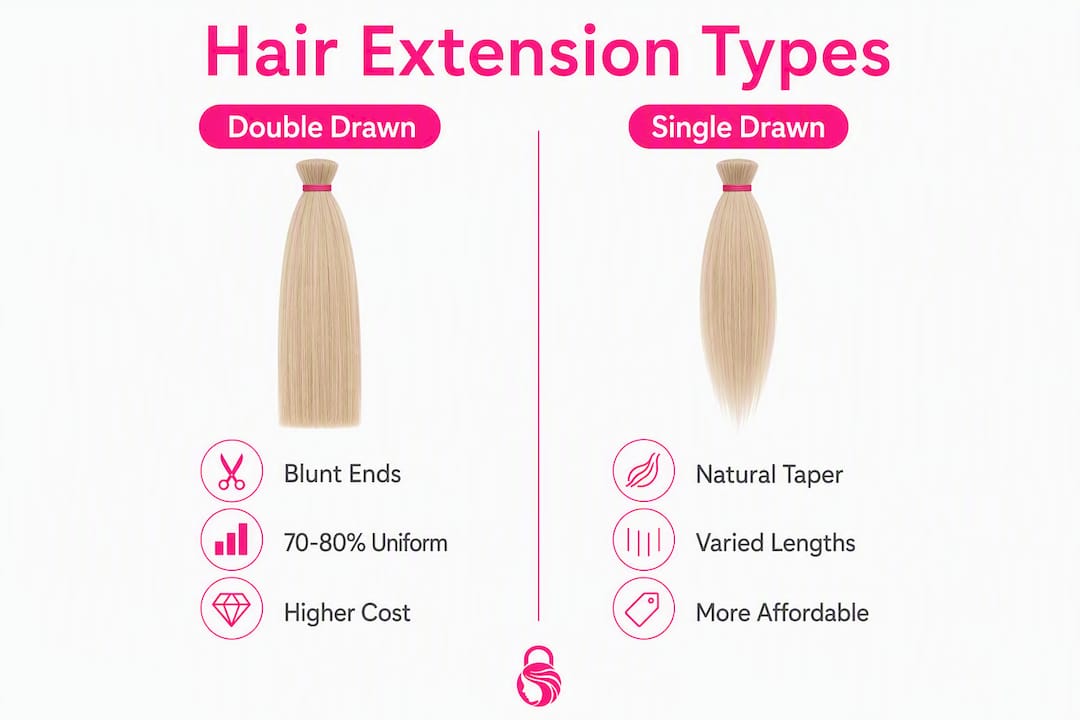
Double-drawn bundles are hand-sorted so 70–80% of strands match the stated length; single-drawn bundles include a natural mix of lengths with only 50–65% of strands reaching full length. For most goals, the choice comes down to this: want a blunt, full finish? Double drawn. Want a softer, more natural blend? Single drawn.
Quick signals to guide your pick:
- Want full, blunt ends and consistent thickness root to tip → choose double drawn
- Want natural taper, softer movement, or a lighter install → choose single drawn
- Working with a tighter budget or fine natural hair → single drawn often blends better and costs less per bundle
Pro Tip: The root-to-tip pinch test is your fastest quality check. Hold the bundle at the weft and pinch toward the tips. Genuine double drawn hair feels nearly as thick at the ends as at the root.
Table of Contents
- What does “double drawn” actually mean?
- What single drawn hair is and why taper can be a good thing
- Pros, cons, and a side-by-side comparison
- How to tell real double drawn from a mislabeled bundle
- Is double drawn worth the extra cost?
- How to choose based on your hair type, style goal, and install plan
- Key Takeaways
- Why sorting quality and consultation change your results
- See your results before you commit
- Useful sources and next steps
- FAQ
What does “double drawn” actually mean?
The term refers to the sorting method, not the hair’s origin or chemical history. Raw hair naturally contains strands of many different lengths. In double drawn production, shorter strands are removed in two passes: the first pass eliminates the shortest hairs, and a second pass removes remaining mid-length strands. The result is a bundle where 70–80% of strands sit at or very close to the stated length.
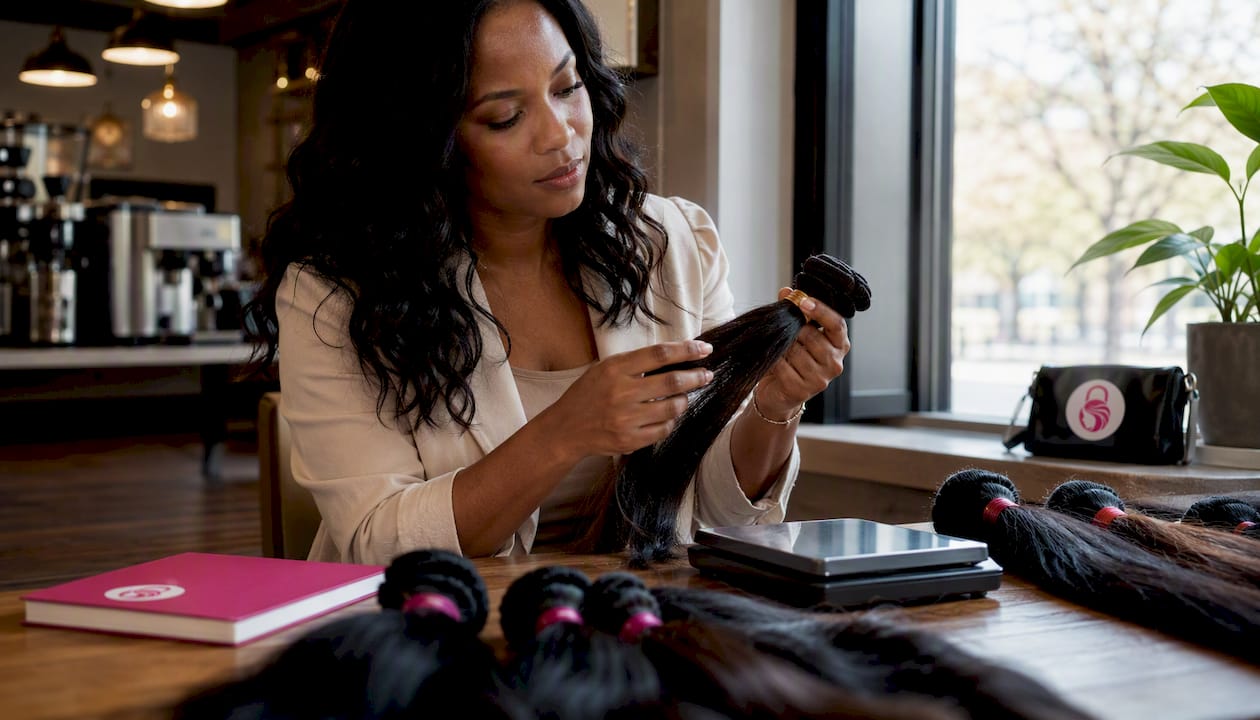
Visually, that uniformity shows up as full, blunt-looking tips and consistent thickness from root to end. A 22-inch double drawn weft looks nearly as dense at the tips as it does at the weft line. That density is what makes it the preferred choice for sleek, straight styles and blunt cuts.
One important distinction: “double drawn” describes the sorting process, not the donor status. You can have virgin double drawn hair or processed double drawn hair. Both markers matter, and virgin status is a separate attribute buyers should confirm independently.
Pro Tip: When shopping online, ask the seller for the gram weight of the bundle at the stated length. A genuinely double drawn 22-inch bundle will weigh noticeably more than a single drawn bundle of the same length because fewer short strands have been removed.
What single drawn hair is and why taper can be a good thing
Single drawn bundles reflect the natural variation in a hair donor’s growth. Because strands are sorted only once, or minimally, the bundle retains a range of lengths. A 22-inch single drawn bundle might contain strands from 14 inches up to 22 inches, with only 50–65% of the strands at the full 22-inch length and the rest tapering toward the tips.
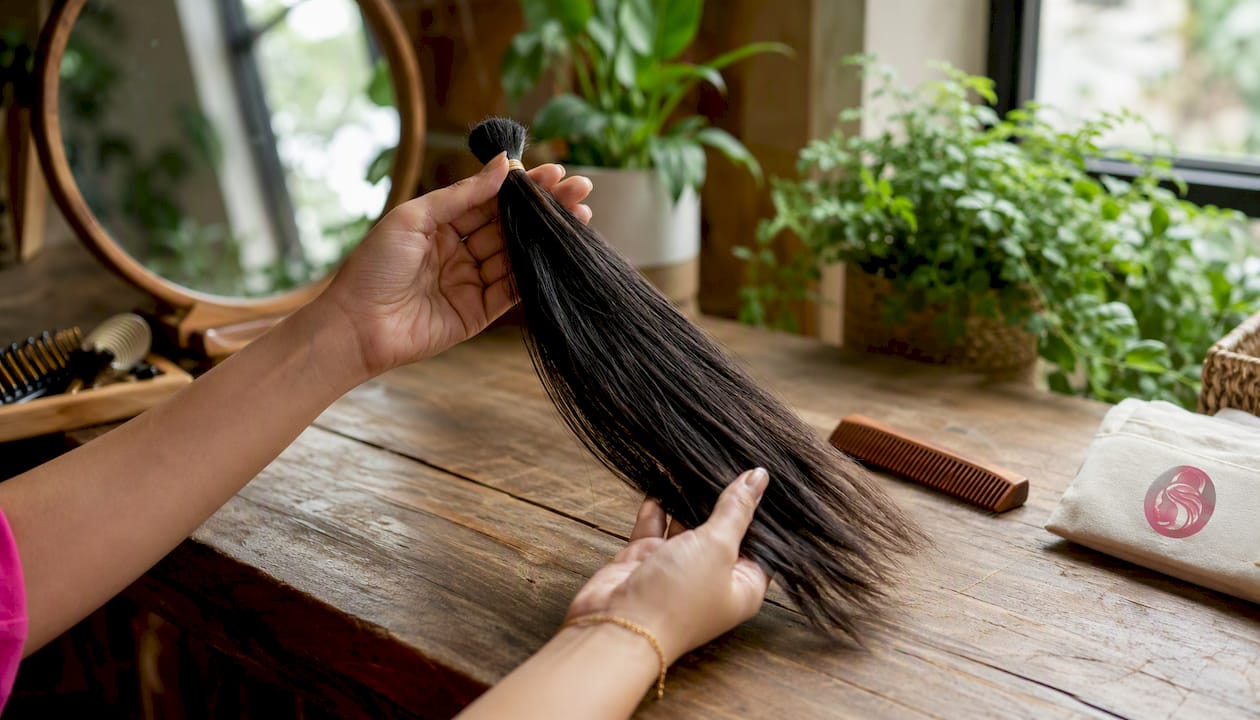
That taper is not a flaw. For loose waves, curly styles, and natural-looking blends, the graduated ends actually help the extensions move and behave more like unprocessed hair. The lighter weight per bundle also puts less tension on attachment points, which matters for clients with fine or fragile natural hair.
Single drawn works well when you:
- Want a softer, feathered finish rather than a blunt cut
- Have fine natural hair that needs a gentle, low-tension install
- Are adding length with waves or curls where uniform tips would look unnatural
- Need to keep costs lower without sacrificing a natural appearance
Pros, cons, and a side-by-side comparison
| Dimension | Double Drawn | Single Drawn |
|---|---|---|
| Thickness / fullness | Consistent root to tip; blunt, full ends | Tapered ends; thinner toward tips |
| Length uniformity | 70–80% of strands at stated length | 50–65% of strands at stated length |
| Cost per bundle | Higher premium typical | Lower upfront cost |
| Best use styles | Blunt cuts, bone-straight, sleek updos | Waves, curls, natural blends |
| Bundles needed | Fewer (2–3 can replace 3–4 single drawn) | More bundles for equivalent fullness |
Primary tradeoffs at a glance:
- Double drawn delivers a polished, uniform finish but costs more per bundle and weighs more per install
- Single drawn costs less upfront but may require additional bundles to achieve the same visual volume
- For extensions focused on volume, double drawn typically delivers a fuller result with fewer pieces
How to tell real double drawn from a mislabeled bundle
Mislabeling is a real problem. Industry guides warn that bundles marketed as double drawn sometimes meet only 60–67% uniformity—well below the genuine double drawn standard of 70–80%—and still taper noticeably. Here is a practical checklist to verify claims before you buy.
Inspection checklist:
- Gram weight check: Request the exact gram weight for the stated length. A true double drawn 22-inch bundle should weigh more than a single drawn bundle of the same length because the shorter strands have been removed.
- Root-to-tip pinch test: Hold the weft at the top and pinch down toward the ends. Thickness should feel consistent. If the bundle thins out noticeably past the midpoint, it is likely under-sorted.
- Ends inspection: Lay the bundle flat and look at the tips. Genuine double drawn ends look full and blunt. Tapered, wispy tips indicate single drawn or mislabeled product.
- Strand count and feel: Run your fingers through the bundle. Double drawn hair feels dense throughout; single drawn feels progressively lighter toward the ends.
- Ask about post-wash behavior: A well-sorted double drawn bundle maintains its fullness after washing. Ask the seller or check the gallery for after-wash photos.
- Donor and virgin status: Confirm whether the hair is single-donor and whether it has been chemically processed. These are separate from the sorting grade but affect longevity.
Pro Tip: Hairlockshairextensions founder Michele uses a root-to-tip pinch check, gram weight confirmation, and single-donor declaration during pre-sale quality control for every double drawn weft. When you book a consultation, that same verification process applies to your specific order.
Is double drawn worth the extra cost?
Double drawn hair costs more for two reasons: it requires more raw material and more hand labor for the two-pass sorting process. The price premium commonly reported across the industry is 25–40% per bundle.
The math often works in double drawn’s favor when you factor in bundle count. Two to three double drawn bundles can deliver the same visible fullness as multiple single drawn bundles. Often, fewer double drawn bundles are needed for comparable fullness, which may affect total cost.
Beyond cost, double drawn tips hold their shape longer. Blunt ends resist the “stringy” look that can develop in single drawn bundles after repeated washing and styling. For clients who want a polished finish with minimal upkeep, that durability justifies the per-bundle premium. Pairing double drawn extensions with the right aftercare routine extends that longevity further.
How to choose based on your hair type, style goal, and install plan
The right grade depends on three things: your natural hair’s thickness, the finish you want, and how many bundles your install requires.
Decision framework:
- Fine natural hair + soft blend goal → single drawn; lighter weight, natural taper blends more easily
- Medium to thick natural hair + blunt or straight style → double drawn; consistent density matches your natural thickness
- Updos or sleek ponytails → double drawn; uniform ends look polished when hair is pulled back
- Loose waves or curly styles → single drawn or a mix; taper supports movement and curl formation
- Long length installs (20 inches and above) → double drawn is worth the investment; single drawn tips at long lengths can look sparse
Bundle count guide by length and grade:
- Up to 16 inches: 2 double drawn or 3 single drawn bundles for average density
- 18–22 inches: 2–3 double drawn or 3–4 single drawn bundles
- 24 inches and above: 3 double drawn or 4–5 single drawn bundles
Hairlockshairextensions’ Genius Weft double drawn hand-tied weft is a strong starting point for anyone targeting a full, blunt finish at 22 inches. If you are unsure which grade suits your natural hair, a colour-matching consultation removes the guesswork before you order.
Pro Tip: If your natural hair is layered or you wear it in a blunt cut, match the extension grade to your cut. A blunt cut pairs naturally with double drawn; a layered cut often blends better with single drawn.
Key Takeaways
Double drawn hair delivers fuller, more uniform results than single drawn, and the bundle-count math often offsets the higher per-bundle price for anyone targeting a polished, blunt finish.
| Point | Details |
|---|---|
| Uniformity difference | Double drawn: 70–80% of strands at stated length; single drawn: 50–65% of strands at stated length. |
| Cost and bundle count | Double drawn costs more per bundle but 2–3 bundles can replace several single drawn bundles. |
| Best style match | Double drawn suits blunt cuts and sleek styles; single drawn suits waves, curls, and fine hair. |
| How to verify quality | Use the root-to-tip pinch test and request gram weight to confirm true double drawn sorting. |
| Hairlockshairextensions option | The Genius Weft double drawn hand-tied weft is the recommended starting point for full, blunt installs. |
Why sorting quality and consultation change your results
After 30 years working with hair extensions, one thing stands out clearly: the sorting process is where most buyers get let down. A bundle can be labeled double drawn and still taper if the quality control stops at one pass. At Hairlockshairextensions, Michele applies a root-to-tip pinch check, gram weight confirmation, and single-donor declaration to every double drawn weft before it reaches a client. That process is not just production protocol; it is the same verification that happens during every in-person consultation. The difference between a result that looks polished for months and one that loses its finish after a few washes almost always traces back to how carefully the bundle was sorted and whether the buyer knew what to ask for.
See your results before you commit
The single biggest hesitation buyers have is not knowing what double drawn extensions will actually look like on their hair. Hairlockshairextensions addresses that directly: browse the before and after gallery to see real installs across a range of hair types, lengths, and colors before placing an order.
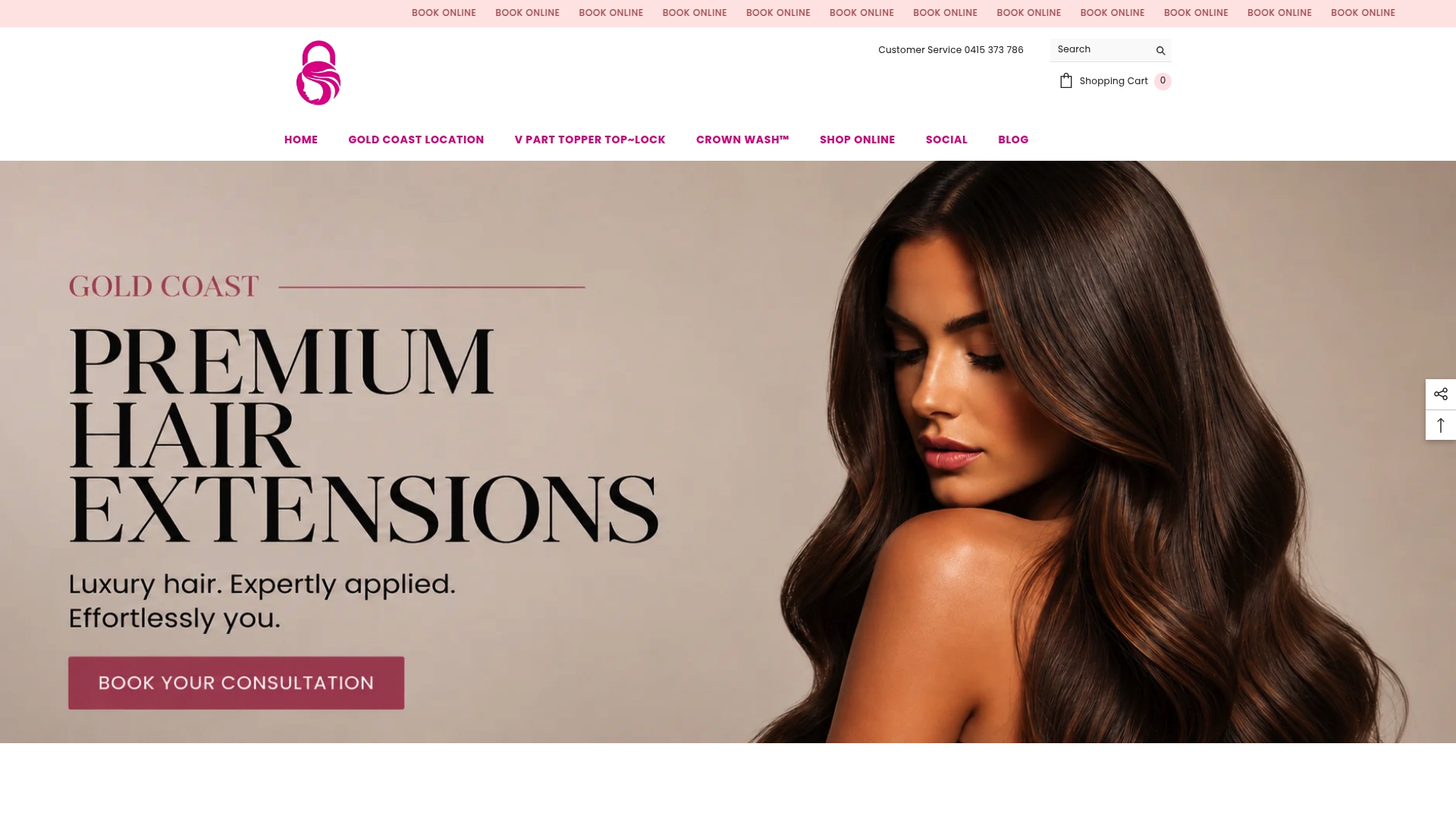
For a personalized fit, the free colour matching consultation matches your natural shade to the right product before you buy. If you are ready to move forward, the Genius Weft double drawn hand-tied weft at 22 inches is the product page to start with for a full, blunt install. To book an in-person appointment or consultation with Michele, visit the pricing and booking page and select a time that works for you.
Useful sources and next steps
Hairlockshairextensions pages:
- Genius Weft Double Drawn Hand-Tied Weft (22") — product specs and ordering
- Before and After Gallery — real install results across hair types
- Free Colour Matching Service — shade matching before you buy
- Book a Consultation — pricing and appointment booking
- Care Sheet — aftercare to protect your investment
External references:
- Double Drawn Hair Meaning: The Ultimate Guide For Buyers — sorting process and uniformity ratios explained
- Single Drawn vs. Double Drawn Discussion — community buyer experiences
Pro Tip: Before ordering online, always request the gram weight for your chosen length and ask whether the hair is single-donor. Those two data points tell you more about true quality than any marketing label.
FAQ
What does “double drawn” mean in hair extensions?
Double drawn refers to the sorting method: shorter strands are removed in two passes so that 70–80% of strands in the bundle match the stated length, producing full, blunt ends and consistent thickness from root to tip.
Which is better, single drawn or double drawn hair?
Neither is universally better. Double drawn suits blunt cuts and sleek, straight styles; single drawn suits waves, curls, and fine hair blends where natural taper helps the extensions move and integrate more naturally.
Is double drawn hair worth the extra money?
Often yes, because 2–3 double drawn bundles can replace 3–4 single drawn bundles for similar visible fullness, which can offset the 25–40% per-bundle price premium. The blunt tips also hold their finish longer with proper care.
What are the disadvantages of double drawn hair?
The main drawbacks are higher cost per bundle and heavier weight per install, which can put more tension on attachment points. It also looks less natural for wavy or curly styles where tapered ends are an advantage.
How can I tell if a bundle is genuinely double drawn?
Use the root-to-tip pinch test: hold the weft and pinch toward the ends. Genuine double drawn hair stays consistently thick. Also request the gram weight for the stated length; a true double drawn bundle weighs more than a single drawn bundle of the same length because the shorter strands have been removed.