


Least Damaging Hair Extensions: Safest Methods Ranked
Halo and clip-in extensions are the least damaging options available, followed closely by professionally installed hand-tied wefts, tape-ins, and the Hairlockshairextensions Top~Lock V-Part Topper, designed for thinning coverage. For occasional wear, zero-tension styles win every time. For longer wear, the method matters far less than the skill of the stylist who installs and removes it.
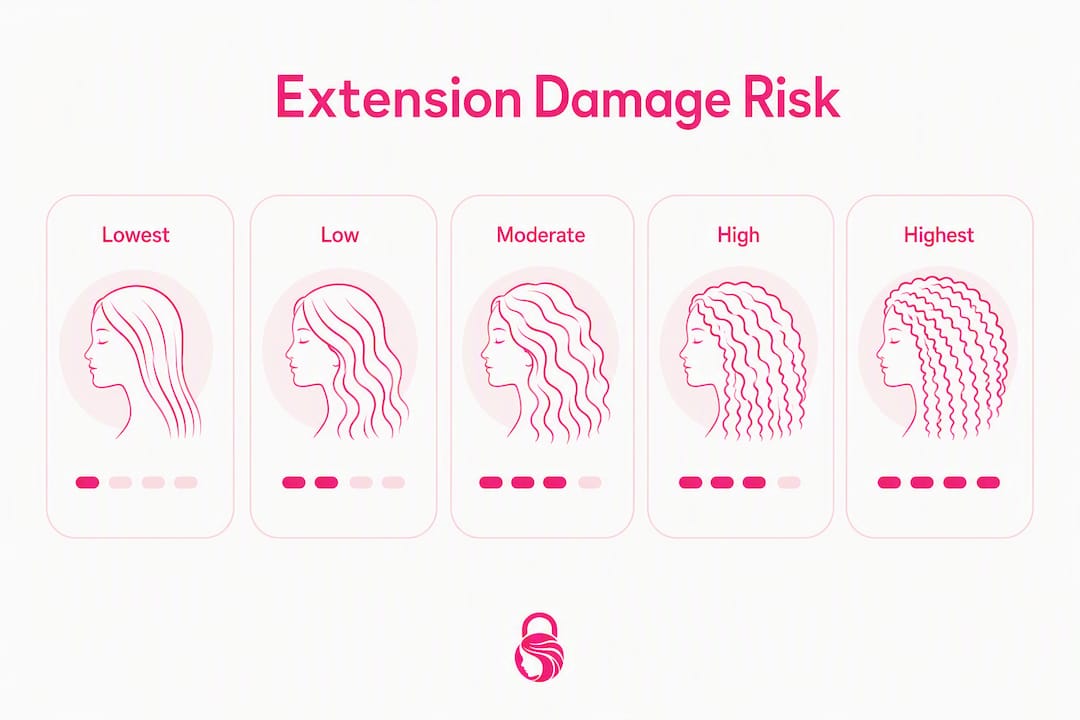
Here is how the methods rank by damage risk:
- Lowest risk (zero tension): Halo/wire-weft, clip-ins, V-Part toppers
- Low risk (professionally installed): Hand-tied weft, Genius Weft, tape-in, micro-ring/micro-bead
- Higher risk (requires expert application): Keratin fusion/bonded, sew-in/traditional weft
The American Academy of Dermatology recommends limiting continuous extension wear and scheduling recovery breaks, with a commonly cited maximum duration of continuous wear before a rest period. Professional removal is non-negotiable for any bonded or semi-permanent method.
Pro Tip: Before booking any semi-permanent method, ask your stylist to walk you through their removal process step by step. A stylist who cannot explain it clearly is a red flag.
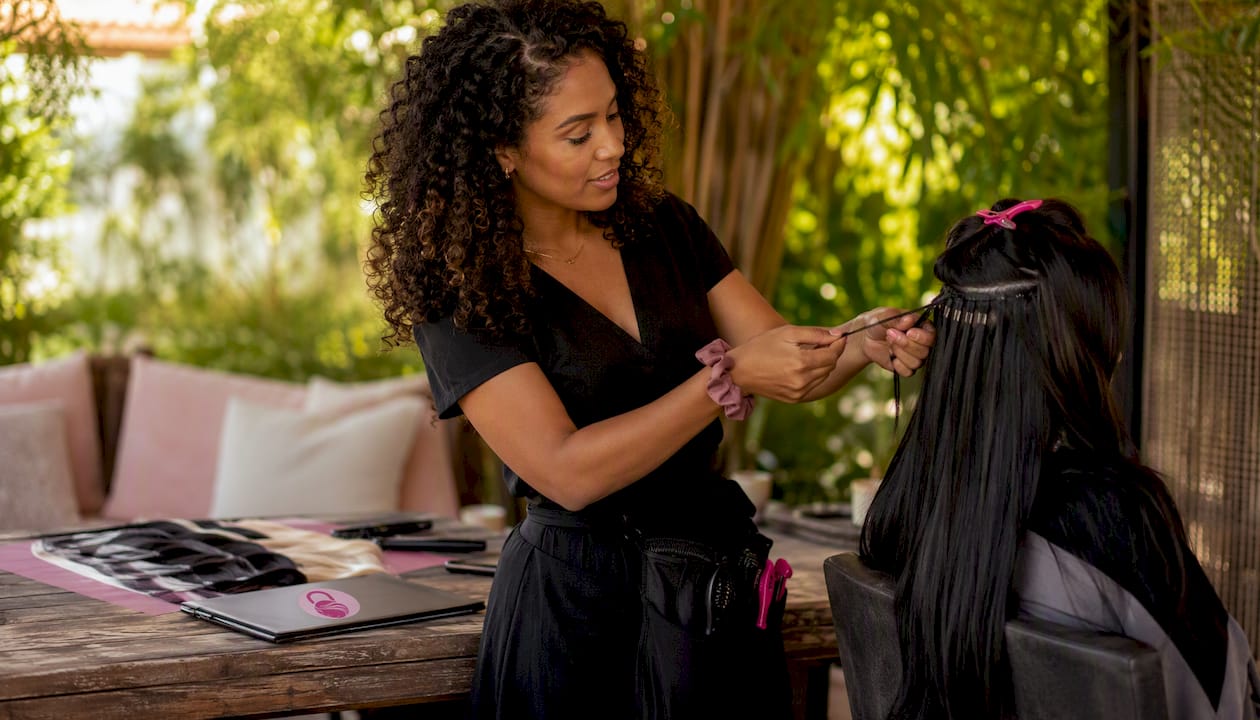
Table of Contents
- How each extension method ranks for damage risk
- How to choose the right method for your hair and lifestyle
- Daily care and maintenance that actually protect your hair
- Why installer skill matters more than the method itself
- Key Takeaways
- What 30 years of extension work has taught us about safety
- Ready for a low-damage solution? Here is how Hairlockshairextensions can help
- Useful sources
- FAQ
How each extension method ranks for damage risk
Every method below is judged on one core question: how much mechanical stress does it place on your natural hair and follicles? The answer depends on how the extension attaches, how much weight it adds, and how it comes off.
Halo / wire-weft
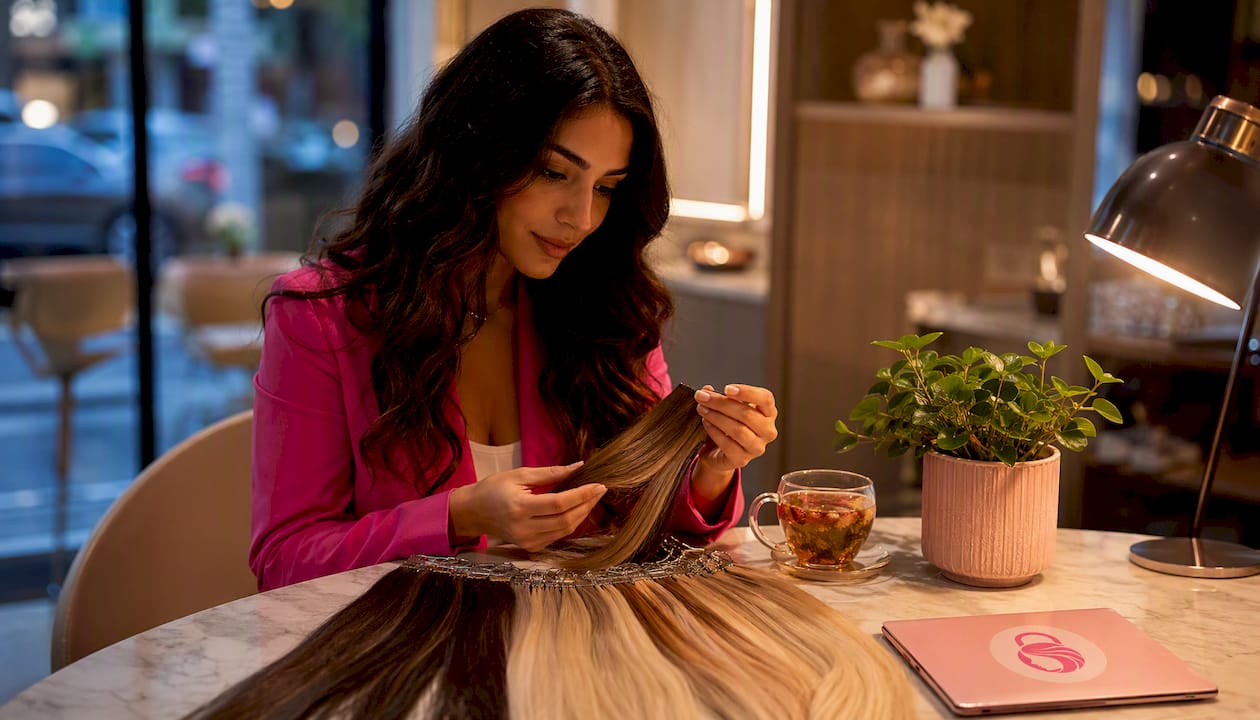
A thin wire sits across the crown; the weft hangs from it with no clips, bonds, or beads touching your hair. Halo extensions cause no attachment stress because nothing is actually fastened to your strands. You put it on, wear it, take it off. Ideal for fine or thinning hair, special occasions, or anyone who wants length without commitment. Lifespan depends on the hair quality, not installation. Cost is low to moderate (product only, no installation fee).
Pros: Zero tension, zero heat, zero adhesive. Completely reversible. Cons: Can shift during the day; not suitable for high-activity wear or updos.
Clip-in extensions
Clip-ins are the most accessible damage-free hair extension option for occasional wear. Small pressure-release clips grip sections of your hair temporarily. The risk appears when clip-ins are worn daily or placed too close to the hairline, which creates localized mechanical breakage over time. Remove them every night, rotate placement points, and they stay in the lowest-damage category. Cost is low; no professional installation required.
Pros: No commitment, easy to use at home, widely available. Cons: Daily wear increases breakage risk; clips can snag fine hair if placed carelessly.
Hand-tied weft / Genius Weft
Hand-tied wefts are sewn onto small beaded rows rather than bonded or glued. The weft lies flat against the scalp, distributing weight across a wider section of hair rather than concentrating load on individual strands. This weight-distribution principle is what makes flat-lying wefts gentler than single-strand bonded systems when matched correctly to hair density. Maintenance is typically every 6–8 weeks for tightening. Cost is medium to high, reflecting the skill required.
Pros: Flat profile, no heat or adhesive, reusable weft hair. Cons: Requires a trained installer; incorrect bead sizing can create tension.
Tape-in extensions
Tape-ins use medical-grade adhesive tabs sandwiched around thin sections of natural hair. They lay flat and distribute weight across a broader surface area, making them one of the most recommended semi-permanent options for fine hair when applied correctly. Maintenance runs every 6–8 weeks as the adhesive grows out. Removal requires a professional solvent; pulling tabs off manually is a common cause of breakage. Cost is medium.
Pros: Lightweight, flat, suitable for fine to normal hair. Cons: Adhesive can weaken with oily products; must be removed professionally.
Micro-ring / micro-bead (I-tip)
Small metal or silicone-lined beads clamp around individual strands of natural hair, holding an I-tip extension without heat or adhesive. No glue, no heat during installation. The risk is entirely in placement: beads that are too tight or too concentrated create localized tension that can lead to shedding. In experienced hands, micro-bead extensions are a genuinely low-damage semi-permanent option. Maintenance every 6–10 weeks. Cost is medium to high.
Pros: No heat, no adhesive, reusable hair. Cons: Bead size and placement are critical; incorrect application raises damage risk significantly.
HairLocks Top~Lock V-Part Topper
The Top~Lock V-Part Topper from Hairlockshairextensions is a specialized hairpiece designed for women experiencing thinning at the crown or part line. It clips onto existing hair with minimal tension and provides discreet, natural-looking volume without any bonding or chemical attachment. For anyone with active thinning or fragile hair who still wants coverage, this is the safest route available. No installation appointment needed; no removal protocol required.
Pros: Zero chemical or heat attachment, specifically designed for thinning hair, immediate results. Cons: Coverage is targeted (crown/part area), not full-length extension.
Keratin fusion / bonded extensions
Individual strands are bonded to natural hair using a keratin adhesive melted with a heat tool. The bond is strong, the result is natural-looking, and the method can last 3–5 months. The risk profile is higher for two reasons: the heat used during application and the solvent required for removal. Fusion methods are generally discouraged for thin or fragile hair because adhesive stress during removal can damage strands. In skilled hands on healthy, medium-to-thick hair, the damage risk is manageable. Cost is high.
Pros: Long-lasting, natural movement, virtually undetectable. Cons: Heat application, chemical removal required, not suitable for fine or thinning hair.
Sew-in / traditional weft
A cornrow braid base is created, and wefts are sewn onto it with thread. No adhesive, no heat for the weft itself. The damage risk comes from the braid tension and the weight of the weft, particularly if the wefts are not customized to the client’s density. Heavy or improperly sized wefts on a tight braid base can cause traction stress along the hairline and crown. Cost is medium; maintenance every 6–8 weeks.
Pros: No adhesive, long-lasting, good for thick or coarser hair. Cons: Braid tension can be high; not recommended for fine or thinning hair without customization.
Comparison at a glance
| Method | Damage risk | Attachment type | Best for | Maintenance interval | Cost range |
|---|---|---|---|---|---|
| Halo / wire-weft | Lowest | None (wire) | All types, fine/thinning | As needed | Low–medium |
| Clip-in | Lowest (occasional) | Pressure clips | All types | Daily removal | Low |
| V-Part Topper | Lowest | Light clips | Thinning / crown area | As needed | Low–medium |
| Hand-tied / Genius Weft | Low | Beaded rows, sewn | Fine to normal | 6–8 weeks | Medium–high |
| Tape-in | Low | Adhesive tabs | Fine to normal | 6–8 weeks | Medium |
| Micro-ring / micro-bead | Low–medium | Metal/silicone bead | Normal to thick | 6–10 weeks | Medium–high |
| Keratin fusion | Medium–high | Heat-bonded adhesive | Normal to thick | 3–5 months | High |
| Sew-in / weft | Medium–high | Sewn braid base | Thick / coarser | 6–8 weeks | Medium |
How to choose the right method for your hair and lifestyle
Choosing the safest method is not just about picking the lowest-risk option on a list. It is about matching the method to your hair’s current condition, your daily routine, and your realistic maintenance schedule.
-
Assess your natural density first. Fine or thinning hair narrows the field quickly. Experts recommend lightweight, flat-laying options like tape-ins or toppers for fragile strands, and advise against fusion methods entirely. If you are unsure of your density, a professional consultation before booking is worth the time.
-
Match wear time to your lifestyle. If you want extensions for events or occasional use, clip-ins or a halo are your answer. No installation, no removal appointment, no risk of forgetting a maintenance visit. For daily wear over several months, a semi-permanent method installed by an experienced stylist will serve you better.
-
Confirm the removal plan before you commit. Ask your stylist specifically: what solvent do you use, how long does removal take, and can I see examples of your removal work? Improper removal causes more damage than installation in many cases. A stylist who cannot answer these questions clearly is not the right fit.
-
Ask about attachment sizing. For bead-based or weft methods, the size of the attachment point relative to your natural hair section determines how much tension is created. Smaller sections with appropriately sized beads distribute load more evenly. Ask to see the bead or tab size before installation begins.
-
Know the red flags. Walk away if: installation causes pain or pulling, the stylist places attachments very close to the hairline, attachment points are small and heavily concentrated, or the stylist cannot demonstrate a safe removal process. Pain during installation is never normal.
Daily care and maintenance that actually protect your hair
The method gets you started, but your daily routine determines how your natural hair holds up over weeks and months.
Maintenance timeline by method:
- Tape-ins: Move-up appointment every 6–8 weeks as the adhesive tab grows out from the scalp. Do not let them go beyond 8 weeks or the tabs begin to tangle with new growth.
- Hand-tied / Genius Weft and micro-bead: Tightening every 6–10 weeks depending on your growth rate. Leaving beads too long causes them to slide and concentrate weight unevenly.
- Keratin fusion: Removal and reinstallation every 3–5 months. Never attempt DIY removal.
- Clip-ins and halo: No scheduled maintenance, but inspect clips and the wire regularly for wear.
Daily care checklist:
- Brush from ends upward using a loop brush or extension-safe paddle brush; never drag from the root.
- Shampoo gently at the scalp using a sulfate-free formula and avoid scrubbing attachment points.
- Apply conditioner and masks from mid-length to ends only; keep product away from bonds and tape tabs.
- Sleep with hair in a loose braid or use a silk pillowcase to reduce friction and tangling overnight.
- Avoid heavy silicone or oil-based products near adhesive bonds or tape tabs; they break down the adhesive and cause slippage.
- Use heat protectant every time before any hot tool, and keep temperatures below 365°F near attachment points.
The American Academy of Dermatology supports scheduled breaks from semi-permanent extensions, noting that long-term continuous wear without recovery periods raises the risk of traction alopecia. Plan breaks between full semi-permanent installs to let your scalp recover.
Pro Tip: For clip-ins and halo wefts, rotate the exact placement points each time you wear them. Repeatedly clipping in the same spot creates localized stress that compounds over weeks, even with a zero-tension method.
Why installer skill matters more than the method itself
The most important variable in extension safety is not which method you choose. It is who installs it.
Specialists consistently note that even low-tension methods like hand-tied wefts become damaging when a stylist uses attachment points that are too small or fails to account for the client’s natural density. A tape-in applied by an experienced stylist on the right hair type will almost always be less damaging than a “gentle” method applied carelessly.
The hidden risk in extension damage is rarely the method on the box. It is the removal. Using force instead of professional-grade solvents and trained technique during removal causes breakage and follicle stress that can look far worse than any installation misstep. Weight distribution matters too: thinner, flat-lying attachments minimize concentrated load on individual follicles, which is why tape-ins and invisible wefts tend to outperform single-strand bonded systems for clients with finer hair when matched correctly to density.
Hairlockshairextensions founder Michele brings 30 years of hands-on extension experience to every consultation, with a particular focus on matching method to hair density and scalp health. The Hairlockshairextensions range includes the Genius Weft (a hand-tied option that lies flat and distributes weight evenly), micro-bead systems in multiple bead sizes for precise placement, and the Top~Lock V-Part Topper for clients where any semi-permanent method would be too much stress on fragile hair.
The dermatology-backed guidance on wear cycles reinforces what experienced stylists already know: a limited period of continuous wear followed by a scheduled break is the standard that protects long-term hair health. Skipping that break to avoid the cost of removal is the most common way clients end up with traction damage.
Key Takeaways
Halo and clip-in extensions carry the lowest damage risk for occasional wear; for longer wear, installer skill and a clear removal plan matter more than the method itself.
| Point | Details |
|---|---|
| Zero-tension for occasional wear | Halo, clip-ins, and V-Part toppers carry the lowest risk because nothing bonds to your natural hair. |
| Flat-lying methods for fine hair | Tape-ins and hand-tied wefts distribute weight broadly, reducing follicle stress compared to single-strand bonded systems. |
| Removal is the hidden risk | Professional removal with the correct solvent prevents the breakage that DIY or forced removal causes. |
| Schedule recovery breaks | The American Academy of Dermatology supports a maximum continuous wear period before a break is taken. |
| Hairlockshairextensions low-damage options | The Genius Weft, micro-bead systems, and Top~Lock V-Part Topper are Hairlockshairextensions’ recommended low-tension solutions. |
What 30 years of extension work has taught us about safety
The conversation around extension damage tends to focus on the method, and that framing misses the point. After three decades of working with clients across every hair type, the pattern is clear: damage almost always traces back to one of three things. The attachment was too heavy for the client’s density. The maintenance appointment was skipped. Or the removal was rushed.
Extensions are not inherently harmful. They become harmful when they are treated as a set-and-forget solution. A client with fine, fragile hair who commits to a hand-tied weft installation with a skilled stylist, attends every tightening appointment, and schedules a proper break period will almost always come out with healthy hair. A client who skips appointments and attempts to remove bonded extensions at home often does not.
The honest answer to “are extensions safe?” is: they are safe when the method matches the hair, the stylist knows what they are doing, and the client follows through on maintenance. When any one of those three things is missing, the risk goes up regardless of which method is on the table.
Ready for a low-damage solution? Here is how Hairlockshairextensions can help
For women who want length or volume without compromising their natural hair health, Hairlockshairextensions offers a focused range of low-tension options backed by Michele’s 30 years of experience. The Genius Weft is the go-to for clients who want a flat, natural-looking semi-permanent result with no adhesive. The micro-bead range suits clients who prefer a no-heat, bead-based installation with precise sizing options. And for anyone experiencing thinning at the crown, the Top~Lock V-Part Topper delivers immediate coverage with zero chemical attachment.
Before booking, prepare a few photos of your current hair in natural light, a note on any recent chemical services, and a clear goal (length, volume, or coverage). That information lets the team match you to the right method from the first consultation rather than guessing. If your hair is actively shedding or you have been diagnosed with traction alopecia, a consultation is the right first step before any installation, and the team will tell you honestly if extensions are not the right fit right now.
Visit Hairlockshairextensions to browse the full range, view real client results in the before and after gallery, and request a personalized consultation.
Note: This article provides general educational information about extension methods and is not a substitute for advice from a licensed hair professional or dermatologist. Always consult a qualified stylist before beginning any extension service.
Useful sources
The following sources informed this article. Each is linked directly for readers who want to go deeper on a specific topic.
- How to prevent hair damage from a weave or extensions — American Academy of Dermatology guidance on wear cycles, recovery periods, and removal best practices.
- What Are the Least Damaging Types of Hair Extensions? — Practitioner-level breakdown of how installer skill and attachment sizing affect damage outcomes.
- Best Hair Extensions For Thin Hair — Covers why fusion and bonded methods are generally not recommended for fragile strands.
FAQ
What hair extension method is the least damaging?
Halo and clip-in extensions carry the lowest damage risk because they use no adhesive, heat, or permanent attachment to natural hair. For semi-permanent wear, professionally installed hand-tied wefts and tape-ins are the next safest options when matched to the right hair type.
Are there truly damage-free hair extensions?
No method is entirely without risk, but zero-tension options like halo extensions and V-Part toppers come closest since they do not attach to natural strands at all. The American Academy of Dermatology notes that even low-risk methods require scheduled breaks to prevent long-term scalp stress.
Which extensions are safest for thin or fine hair?
Lightweight, flat-lying options are the standard recommendation for thin hair, specifically tape-ins, hand-tied wefts, and specialized toppers like the Hairlockshairextensions Top~Lock V-Part Topper. Fusion and bonded methods are generally discouraged for fragile strands because adhesive removal stress can cause additional breakage.
How long can you safely wear semi-permanent extensions?
Most extension specialists and dermatology guidance point to 2–3 months of continuous wear as the recommended maximum before scheduling a removal and allowing a recovery period. Skipping that break raises the risk of traction alopecia over time.
What are the signs that extensions are damaging your hair?
Watch for persistent scalp tenderness, visible thinning at attachment points, increased shedding when brushing, or small broken hairs around the hairline. Any of these signals warrants an immediate appointment with your stylist to assess placement and tension before more damage occurs.
Recommended
- Extensions for Damaged Hair: Safe Choices That Work – HairLocks Hair Extensions
- Extension Friendly Hair Products: Your 2026 Australia Guide – HairLocks Hair Extensions
- Best Hair Extensions Australia: Top 14 Providers Ranked – HairLocks Hair Extensions
- Best Shampoo for Extensions: Top Picks in Australia – HairLocks Hair Extensions