


Hair Extension Consultation Questions: Your Salon Checklist
Before you sit down with a stylist, have these 10 questions ready. They cover every decision point that determines whether your extensions look natural, last as long as possible, and leave your natural hair undamaged.
- Which extension method do you recommend for my hair type, and why?
- How many grams will I need, and what length do you suggest for natural blending?
- How will you match my color, and will you do a strand test?
- Where does the hair come from, and is it 100% human or Remy?
- What is the total cost, including installation, color blending, maintenance visits, and removal?
- How often will I need maintenance appointments, and what happens if I skip one?
- How are extensions removed, and what steps protect my natural hair during removal?
- Can I see before-and-after photos for clients with similar hair to mine?
- How many years have you been trained in this method, and do you hold any certifications?
- Do you offer a repair or guarantee policy if something goes wrong?
If a stylist hesitates on any of these, ask for client references or a second opinion before committing. A confident, experienced technician, such as those trained in weft extensions or keratin bond application, will answer each question without prompting.
Key Takeaways
Walking into a consultation with the right questions is the single most effective way to get extensions that suit your hair, your lifestyle, and your budget.
| Point | Details |
|---|---|
| Ask for method rationale | Request a specific reason why the stylist recommends weft, bead, keratin, or tape for your hair type. |
| Get a full cost breakdown | Confirm installation, color blending, maintenance visits, and removal costs in writing before booking. |
| Verify the maintenance schedule | Micro-bead and keratin methods typically require visits every 6–8 weeks; sew-ins every 2–3 months. |
| Request proof of similar work | Ask to see before-and-after photos for clients with your hair density and base color. |
| Confirm the removal plan | A safe stylist explains removal technique and damage-prevention steps without being prompted. |
| Hairlockshairextensions | Offers free color matching, a before-and-after gallery, and transparent pricing across all major extension methods. |
Table of Contents
- Why does a hair extension consultation matter?
- What are the best hair extension consultation questions to ask?
- What should you bring to your consultation?
- How do you evaluate the stylist’s answers?
- What does a hair extension appointment cost in Australia?
- Your printable consultation checklist
- Why experience and honest sourcing reduce your risk
- What stylists wish every client asked
- Hairlockshairextensions offers a confident, personalized consultation
- Sources
- FAQ
Why does a hair extension consultation matter?
A consultation is not a formality. It is the moment a professional determines whether extensions are safe for your hair right now, and which method will protect your natural hair rather than compromise it. Skip this step, and you risk wearing the wrong method for your hair density, texture, or lifestyle.
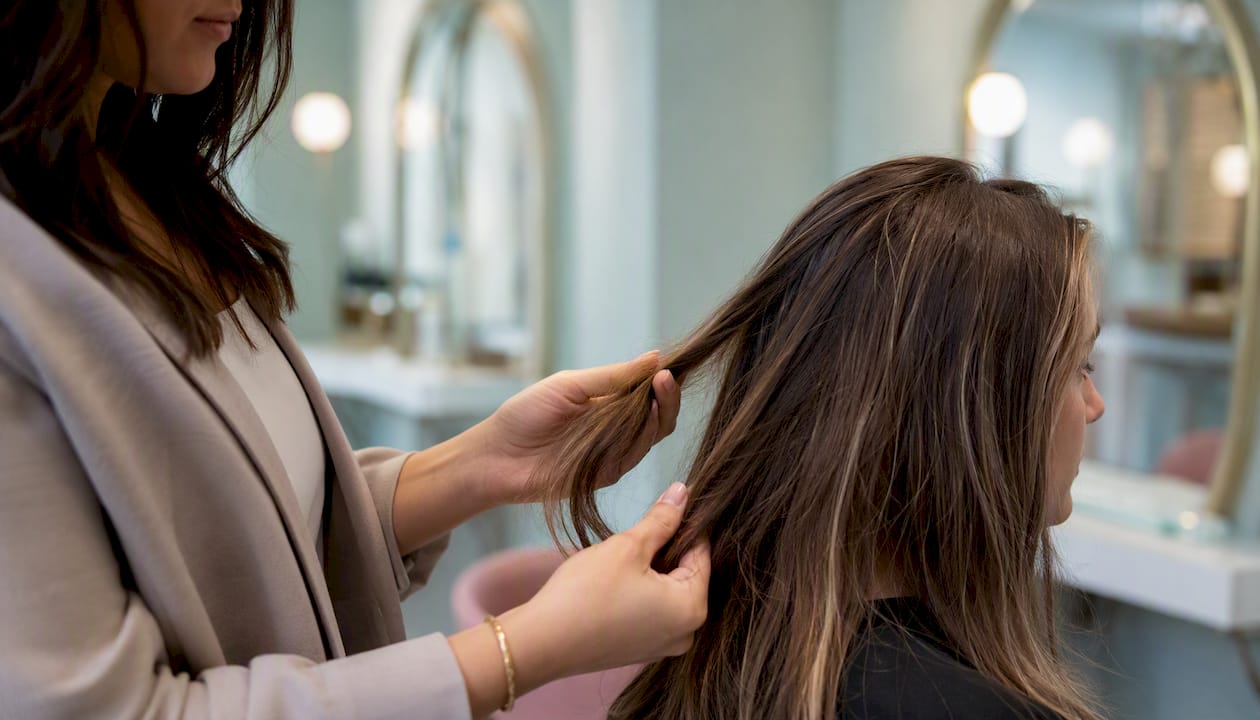
According to Rossano Ferretti’s consultation checklist, a thorough professional consultation covers natural hair analysis, goal discussion, density and texture assessment, method explanation, and aftercare planning. Each of those elements directly shapes the recommendation you receive.
What a trained stylist checks during the appointment:
- Scalp health: Inflammation, sensitivity, or active scalp conditions can rule out certain adhesive or heat-based methods.
- Hair density and texture: Fine, low-density hair responds differently to micro-bead and keratin bond extensions than thick, coarse hair does.
- Existing damage: Bleach damage, breakage, or thinning changes which method is safe and how many grams can be supported.
- Length and growth pattern: The stylist needs to plan placement so extensions blend at the perimeter.
- Lifestyle factors: Daily swimming, intense heat styling, or high-sweat activity affects whether tape-ins, nano beads, or weft extensions are the better fit.
- Medications and allergies: Some medications affect hair growth or scalp sensitivity; certain adhesives and metals in beads can trigger reactions.
Those checks determine whether the stylist recommends weft extensions, micro-bead or nano bead extensions, keratin bond extensions, tape-ins, or the Top~Lock V-Part Topper for clients experiencing thinning. No single method suits every person, and a stylist who skips these checks is guessing.
What are the best hair extension consultation questions to ask?
Group your questions by category so you can work through them efficiently in the salon without losing your place.
Stylist credentials
- How many years have you been trained specifically in this method?
- Do you hold any certifications or belong to a professional association?
- Can I see before-and-after photos for clients with a similar hair type and density to mine?
- Do you have client references I could contact?
Technical specifications
- Which method do you recommend: weft extensions, micro-bead or nano bead, keratin bond, tape-in, or a V-Part topper?
- Why is that method the right fit for my hair texture and density?
- How many grams will you use, and what draw and length do you recommend? The HairLocks length guide explains how grams, draw, and length affect movement and blending.
- Where exactly will you place the extensions, and how will you blend them at the perimeter?
Color and sourcing
- Will you do a strand test or a free color match before the install?
- Is the hair 100% human and Remy? Where does it come from?
- If my color needs custom dyeing, what is the process and added cost?
Cost breakdown
- What is the installation price, and what does it include?
- Is color blending or a cut-in charged separately?
- How much does each maintenance visit cost, and how frequently will I need one?
- What is the removal cost, and is it included in the initial price?
- Do you offer a repair or guarantee policy, and what does it cover?
Care and maintenance
- What washing routine and products do you recommend? Ask for a written care plan, or request the stylist’s aftercare guidance in writing.
- How often should I book maintenance, and what happens if I go longer between visits?
- When should I expect to replace the extensions entirely?
Risks and removal
- How is removal performed for this method, and how long does it take?
- What steps do you take to prevent damage to my natural hair during removal?
- What are the signs that extensions need to come out early?
Pro Tip: Ask the stylist to describe their bead tension control or placement map for micro-bead installs. A trained technician will explain this without hesitation. Vague answers here are a reliable indicator of limited experience.
A useful follow-up for active clients: “If I swim daily, which method do you recommend and why?” A skilled stylist will walk you through the tradeoffs between nano beads, wefts, and tape-ins for high-moisture lifestyles, not just name a method.

What should you bring to your consultation?
Arrive prepared and the stylist can make accurate recommendations from the first minute.
Photos to bring:
- Two or three images of your natural hair in good lighting, hair down and pulled up, showing density at the crown and sides.
- Inspiration photos showing the length, volume, and texture you want. Natural-light photos of real people work better than heavily filtered images.
- A photo showing a color reference you like, ideally on a similar base shade to yours.
Practical items:
- A list of your current hair products, including any dry shampoos, oils, or styling sprays.
- A note of any scalp or skin allergies, including metal sensitivities relevant to bead-based methods.
- A list of current medications, particularly those known to affect hair growth or scalp condition.
- A record of recent chemical treatments: bleach, color, relaxers, or keratin smoothing treatments, with approximate dates.
- A brief description of your daily styling routine, including how often you use heat and whether you exercise or swim regularly.
Hairlockshairextensions offers a free personal color-matching service. For the most accurate match, wash and air-dry your hair before the appointment and bring a photo of your preferred color result. A strand test or in-salon color match reduces blending issues far more reliably than matching from photos alone.
How do you evaluate the stylist’s answers?
Strong answers are specific, method-informed, and include a clear maintenance plan with a pricing breakdown. Vague or defensive responses are worth noting before you commit.
What a good answer sounds like:
- A specific gram count and length recommendation with a rationale tied to your hair density.
- A clear maintenance timeline: for example, every 6–8 weeks for micro-bead or keratin bond installs, or every 2–3 months for weft-based methods.
- A step-by-step description of the removal process and how damage is prevented.
- Proof of training: a certificate, a named course, or a professional association membership.
- A gallery of before-and-after photos showing clients with similar hair types, not just the best-case results.
Red flags to watch for:
- Refusing to show before-and-after photos or claiming they are “private.”
- No clear pricing or a quote that excludes maintenance and removal.
- Recommending the same method to every client regardless of hair type.
- No explanation of how removal protects natural hair.
- Dismissing your questions about damage or longevity.
If you hear any of these red flags, take these steps before booking: Ask to see at least three before-and-after photos for clients with similar hair. Request a written quote that includes installation, maintenance, and removal. Ask for one client reference you can contact directly. If the stylist cannot provide any of these, walk away and seek a second opinion.
What does a hair extension appointment cost in Australia?
Australian pricing varies by method, hair quality, and region, but the ranges below reflect what clients typically encounter at reputable salons.
Color blending, a cut-in, or custom dyeing adds $80–$300 or more depending on complexity. Removal is typically charged separately at $100–$300.
Regional variation is real. Sydney and Melbourne salons generally sit at the higher end of these ranges; regional cities tend to be lower. Always request an itemized quote in writing.
What to expect for appointment timing:
- Initial consultation: 30–60 minutes.
- Installation: 2–5 hours depending on method and volume.
- Maintenance visits: 1–2 hours.
- Removal: 1–2 hours, sometimes combined with a reinstall.
Your printable consultation checklist
Bring this form to the salon and ask the stylist to fill in or confirm each field.
Client details and hair history:
- Name and contact details
- Natural hair length, texture, and density (fine / medium / thick)
- Recent chemical treatments and dates
- Scalp conditions or allergies (including metal sensitivities)
- Current medications that may affect hair
- Typical daily styling routine and heat tool use
- Goal: length / volume / coverage for thinning
Stylist and method confirmation:
- Stylist name and years of experience with this method
- Recommended method (weft / micro-bead / nano bead / keratin bond / tape / V-Part topper)
- Grams and length planned
- Placement and blending strategy
- Hair source and quality (100% human / Remy confirmed: yes / no)
- Color match method (strand test / free color match / custom dyeing)
Cost and schedule:
- Installation price: $
- Color / blending cost: $
- Maintenance frequency and cost per visit: $
- Removal cost: $
- Guarantee or repair policy: yes / no (details: )
Before and after documentation:
- Stylist gallery reviewed: yes / no
- Before photo taken: yes / no
- Consent to photograph results: yes / no
Consent note: “I consent to before-and-after photos being taken for my personal records. I understand these may be used by the salon for portfolio purposes only with my written approval.”
Why experience and honest sourcing reduce your risk
Experienced stylists and transparent sourcing materially reduce the risk of damage, poor blending, and premature removal. The difference shows up in the details: how a technician describes placement tension, whether they can name the hair’s origin, and whether they hand you a written aftercare plan without being asked.
Hairlockshairextensions founder Michele brings 30 years of experience to every consultation, with in-house training across weft, nano bead, micro bead, and keratin bond methods. That depth of experience means recommendations are grounded in technique, not guesswork. The before-and-after gallery shows results across a range of hair types and densities, which is the kind of documented proof you should request from any stylist.
For clients with fine or low-density hair, method selection is especially consequential. Hairlockshairextensions publishes guidance on safe methods for fine hair that explains which application techniques minimize stress on the hair shaft.
Two trust signals worth requesting at any consultation: Ask to see the stylist’s training certificate or the name of the course they completed. Then ask to view the before-and-after gallery for clients with your hair type. A stylist who can produce both without hesitation has earned the next step. Hairlockshairextensions’s free color-matching service is one example of a transparent, low-pressure trust signal that confident salons offer.
What stylists wish every client asked
Three questions stand out as the ones that consistently lead to better outcomes, yet most clients never ask them.
First: “Is this method actually suitable for my hair right now, or should we wait?” A stylist who answers honestly, even when the answer is “let’s treat your scalp first” or “your hair needs a few months of recovery,” is one worth trusting. The consultation is not a sales appointment.
Second: “What does my maintenance commitment look like in real terms?” Clients often underestimate how much time and cost ongoing upkeep requires. Allure’s extension care guidance notes that skipping maintenance visits risks matting and premature removal, which costs more to fix than the visits themselves. Knowing the schedule upfront prevents that outcome.
Third: “Can I see proof of your work on someone with my hair type?” A gallery of best-case results tells you less than three photos of clients who started where you are. Ask specifically for similar density and base color.
Honest lifestyle disclosure matters just as much as the questions you ask. Tell the stylist exactly how you exercise, how often you wash your hair, and whether you color at home. That information changes the method recommendation more than almost anything else.
Hairlockshairextensions offers a confident, personalized consultation
Hairlockshairextensions provides free color matching, a documented before-and-after gallery, and transparent pricing, backed by Michele’s 30 years of hands-on experience across weft, nano bead, micro bead, and keratin bond methods, plus the exclusive Top~Lock V-Part Topper for thinning hair.
A consultation with Hairlockshairextensions covers every item on the checklist above: method suitability for your hair type, a gram and length recommendation, a color match, a full cost breakdown, and a written maintenance plan. Bring your inspiration photos, your hair history, and the printable form from this article. View the before-and-after gallery to see results for clients with similar hair, then book your consultation and review pricing to take the next step with confidence.
Sources
The following resources informed this checklist and are worth reading before or after your consultation.
- These Hair Extension Care Tips Will Help Yours Last Longer | Allure
- Are Hair Extensions Right for You? | Rossano Ferretti Parma
FAQ
What questions should you ask at a hair extension consultation?
Ask about the recommended method and why it suits your hair, how many grams and what length the stylist plans to use, the full cost breakdown including maintenance and removal, the maintenance schedule, and whether the stylist can show before-and-after photos for similar hair types.
What does a hair extension consultation include?
A professional consultation covers natural hair analysis, density and texture assessment, method selection, color matching, a cost breakdown, and an aftercare plan, as outlined in Rossano Ferretti’s consultation framework.
What are the dos and don’ts of hair extensions?
Do follow the stylist’s written care plan, attend maintenance visits on schedule, and use sulfate-free products. Don’t skip maintenance appointments, as doing so risks matting and premature removal that costs more to fix than the visits themselves.
What happens at a hair consultation appointment?
The stylist examines your scalp health, hair density, texture, and existing damage, then discusses your goals, lifestyle, and budget before recommending a method, gram count, length, and color match approach. The appointment typically runs 30–60 minutes.