


10 Salon Tested Hair Topper Hairstyles With a 6 Step Stylist Checklist
Yes, modern hair toppers can be styled into everyday and glam looks. Ten hairstyles, all recreatable with the right topper and a little know-how, follow below, along with how to attach one so it blends seamlessly, heat-safety limits, and care tips that keep it looking natural wear after wear.
TL;DR:
- Human-hair toppers with a V-part or lace-front base provide the most realistic appearance when properly trimmed and color-matched.
- Most styles, including braids, buns, or Hollywood waves, are achievable by using moderate heat with a heat protectant, especially on human-hair toppers.
- Regular washing every 10 to 15 wears, gentle handling, and proper storage help maintain the topper’s natural look and prolong its lifespan.
- Attaching a topper correctly involves teasing anchor points, securing clips first and blending edges with natural hair to disguise the seam effectively.
- A personalized consultation with a professional ensures optimal density, color, and fit, especially when customizing styles or transitioning to a new topper.
Table of Contents
- 10 Hair Topper Hairstyles for Every Occasion
- How to Attach and Blend a Topper So It Looks Natural
- Styling Tools, Heat Limits, and Best Products for Toppers
- How to Wash, Dry, Store, and Maintain a Hair Topper
- When to See a Pro: Trims, Color Matching, and Custom Fit
- A Stylist’s Quick Checklist Before Your Next Styling Session
- Get a Custom Fit With the Top-Lock V Part Topper
- Sources
- FAQ
10 Hair Topper Hairstyles for Every Occasion
Hair toppers come in several base styles, including V-part, lace front, and mono-top constructions, each designed to blend with your own hair while adding volume or covering thinning spots along the crown or part line, as detailed in what hair toppers actually are. That variety is exactly why toppers work for so many different hairstyles, from a quick work bun to a full glam updo.
-
The Low Messy Bun. Gather your hair and topper together at the nape, twist loosely, and pin. A mono-top topper works well here because the part stays natural even when hair is pulled back, and this look is nearly foolproof for a busy workday.
-
The Half-Up Half-Down Look. Clip the top section (topper included) away from the face and leave the rest down. A V-part topper is ideal since it keeps the front part crisp while blending into loose layers underneath.
-
Hollywood Waves. Curl the topper and your natural hair together in matching one-inch sections, then brush out for old-school glamour. Human-hair toppers hold curl the most convincingly, according to guidance on hair topper styling versatility, making this a strong pick for weddings or formal events.
-
The Braided Crown. French braid from each temple back, incorporating topper hair as you go, then pin the braids across the crown. This hides attachment points completely and suits a lace-front topper for the cleanest hairline.
-
The Sleek Low Ponytail. Smooth everything back with a boar-bristle brush, tie low, and wrap a small section around the elastic. Fringes and bangs pair well with this style since the topper’s front edge stays hidden under the swept-back shape, a common styling technique in hair topper how-to guides.
-
Beach Waves for the Gym. Loosely braid damp hair the night before and unravel in the morning. A clip-in crown topper suits active days because it’s quick to remove before a workout and reattach after.
-
The Side-Swept Bang. Deep-side part your topper’s fringe area and blend with a flat iron for a soft frame around the face. This works especially well if your topper has a V-part base for a natural-looking parting.
-
The Textured Lob Blowout. Round-brush blow-dry both topper and natural hair together on medium heat for a bouncy, shoulder-length finish. Great for client meetings or dates when you want polish without an updo.
-
The Half-Braid Accent. A single small braid pulled back from one side adds detail to an otherwise simple day look. Works with any topper base and takes under five minutes.
-
The Glam Updo. Backcomb at the crown for lift, then twist and pin everything into a high, sculpted bun. Special-occasion looks like this rely on a topper with density that matches your natural hair for a seamless build.
How to Attach and Blend a Topper So It Looks Natural
Start with clean, dry hair. Washing beforehand removes oil and product buildup that can make clips slip, and matching your natural texture (straight, wavy, curly) to the topper before you begin makes blending far easier later.
- Open all clips fully before positioning the topper on your head.
- Lightly tease the anchor points on your natural hair. This gives the clips something to grip without pulling too tight.
- Secure the front clips first, then the back, checking in a mirror that the part sits centered and symmetrical.
- Comb your natural hair over the topper’s edges to soften the transition line.
- Apply a texturizing spray and light backcombing where the topper meets your hair to disguise the seam.
Pro Tip: Never style your topper while it’s still clipped to your head. Set it on a wig stand first. Working off-head reduces tension on both the topper and your scalp, and it protects the clip anchors from unnecessary stress.
Styling Tools, Heat Limits, and Best Products for Toppers
Human-hair toppers tolerate heat far better than heat-friendly synthetic ones, and they offer the widest range of styling options, though they also demand more maintenance to keep that realism intact, per comparisons of human hair versus synthetic toppers. Whichever base you own, heat protectant spray belongs in your routine every single time you reach for a hot tool. Keeping temperatures moderate, rather than maxing out your iron, extends the life of the fiber considerably, a point echoed across styling and heat guidance for toppers.
- Blow-dryers: medium heat, using a round brush to lift roots for volume rather than blasting on high.
- Flat irons: low to medium settings, generally staying within the 250 to 350 degree Fahrenheit range recommended for human hair extensions.
- Curling wands: a one-inch barrel for loose waves, smaller barrels for tighter curls.
- Products: lightweight heat protectant, a texturizing spray for grip, and avoiding heavy oils near the base.
Heat safety at a glance: Staying at the lower end of the recommended range protects both the fiber and your color investment, especially on toppers you plan to wear for years, not months.
How to Wash, Dry, Store, and Maintain a Hair Topper
A topper doesn’t need daily washing. Most human-hair toppers hold up well with washing every 10 to 15 wears, depending on how much product and sweat build up.
- Use a gentle, sulfate-free wig or topper shampoo and conditioner, applying conditioner mid-length to ends only, never at the base.
- Handle wet hair gently. Avoid twisting or wringing, which stresses both the fiber and the base material.
- Towel-press excess water, then let it air-dry on a wig stand rather than a flat surface.
- If you blow-dry, keep the setting low and hold the dryer at a distance from the base.
- Between washes, a light dry shampoo at the roots and a spritz of detangler keep the topper refreshed and easy to style.
Store your topper on a stand, away from direct sunlight, to help it hold its shape and color between wears.
When to See a Pro: Trims, Color Matching, and Custom Fit
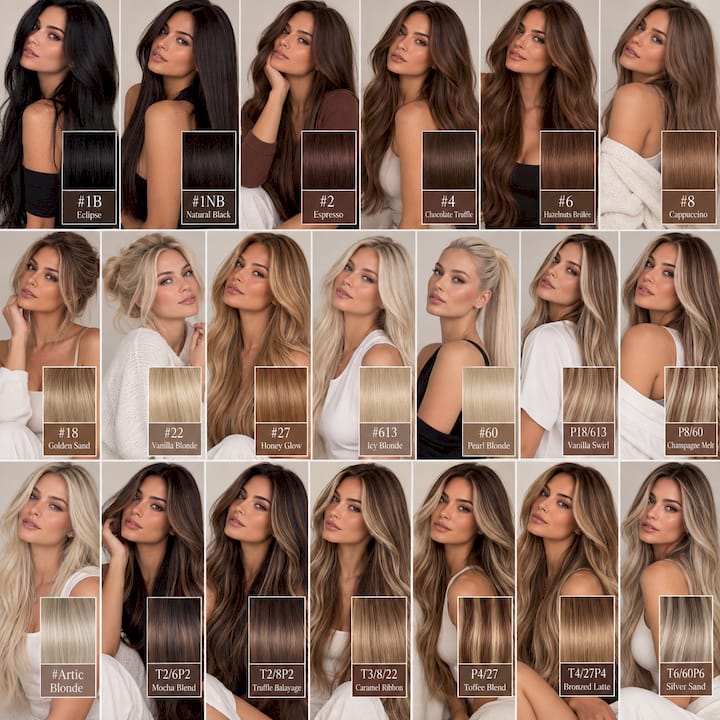
A brand-new topper, straight out of the box, often has one obvious flaw: a hard edge where the topper hair ends and yours begins. Stylists frequently recommend a professional trim to blend those layers into your natural hair, which removes what’s sometimes called the “shelf” effect, per professional trim guidance for toppers. Skipping this step is the single most common reason a topper looks like a topper instead of your own hair.
A good consultation covers more than a quick trim.
- Color matching against your natural roots and ends, not just the midshaft shade.
- Density selection based on how much natural hair you still have.
- Part customization so the base sits where your part naturally falls.
- A review of your attachment method and whether it fits your lifestyle.
A close color match and a custom trim are what separate a topper that reads as “extra hair” from one that reads as simply your hair, fuller than before.
Michele, the founder, has spent many years fitting and customizing hairpieces, including the tailored Top-Lock V Part Topper, and that kind of hands-on experience is exactly what catches the small details a mirror alone won’t show you.
A Stylist’s Quick Checklist Before Your Next Styling Session
Before you sit down to style, or head into a consultation, run through this short list:
- Wash and dry your natural hair (or bring it clean to your appointment).
- Decide where your part should fall and mark it mentally or with a clip.
- Save a few reference photos of looks you want to try.
- Pack your go-to products: heat protectant, texturizing spray, detangler.
- Write down questions about density, color, or attachment method.
- Note any aftercare instructions your stylist gives you.
Thirty years of fittings tends to teach you that the women who walk in prepared walk out with results that hold up, both on day one and three months later.
Get a Custom Fit With the Top-Lock V Part Topper
Most of the looks above come together more easily with a base built for versatility, and that’s exactly the gap the Top-Lock V Part Topper Russian Human Hair is designed to fill. Unlike a fixed part that limits you to one style, the V-part construction lets you shift your parting and work with bangs or a fringe without exposing the base, which is precisely what makes styles like the braided crown or the side-swept bang possible.
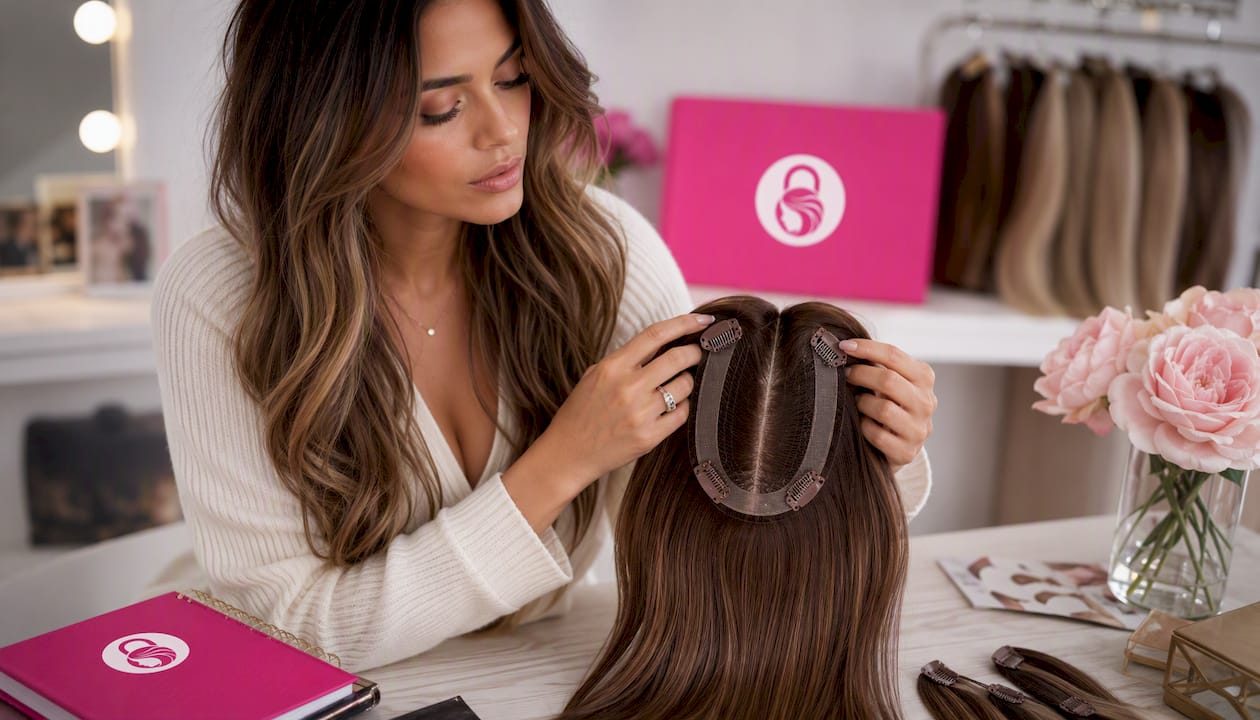
If you’re unsure about density, color, or fit, Michele’s team offers a personalized consultation, color match, and hair assessment to help your topper blend naturally with your own hair. Prefer to shop first? Browse the full Top-Lock V Part Topper collection and see which base and length suits the styles you want to wear most. Booking a fitting is the fastest way to walk out with a topper that’s already trimmed, matched, and ready for whatever look you try next.
Sources
- How to Style a Hair Topper
- What Are Hair Toppers? What You Need to Know, Plus 14 to Try Now
- Style Your Hair Topper: Chic Looks for Every Occasion - HairWeavon
FAQ
What Are the Disadvantages of Hair Toppers?
Human-hair toppers require more upkeep than synthetic ones, including regular washing, careful heat management, and periodic professional trims to maintain a natural blend, as noted in comparisons of topper types. They also need a proper color match and base placement, or the join between topper and natural hair can look obvious.
What Is the Most Realistic Hair Topper?
Human-hair toppers with a V-part or lace-front base tend to look the most realistic because the base mimics a natural scalp part and blends closely with existing hair, according to hair topper style guidance. A professional trim and accurate color match push that realism even further.
Can You Style a Hair Topper?
Yes. Human-hair toppers can be curled, straightened, braided, and blown out just like natural hair, provided you use a heat protectant and keep temperatures moderate, per styling and heat-safety guidance. Everyday looks like buns and ponytails, and special-occasion styles like Hollywood waves, are all achievable.
Do Hair Toppers Really Work?
Hair toppers add volume and cover thinning areas at the crown or part line by blending topper hair with your own, per research on how toppers function. A well-matched color, density, and custom trim, such as those available with the Top-Lock V Part Topper, make the difference between a topper that’s noticeable and one that looks like your own hair.