


Working Out at the Gym with Hair Extensions: Your Complete Guide
Yes, you can absolutely go to the gym with hair extensions. The one rule that protects everything: secure the base before you train and manage sweat before it dries.
Most extension damage during workouts comes down to three variables: sweat left to sit, friction from tight or repeated styling, and loose attachment points that shift under movement. Control those three, and your extensions stay healthy through even the most demanding sessions.
Before every workout, run through this quick check:
- Brush extensions fully and remove any tangles before styling.
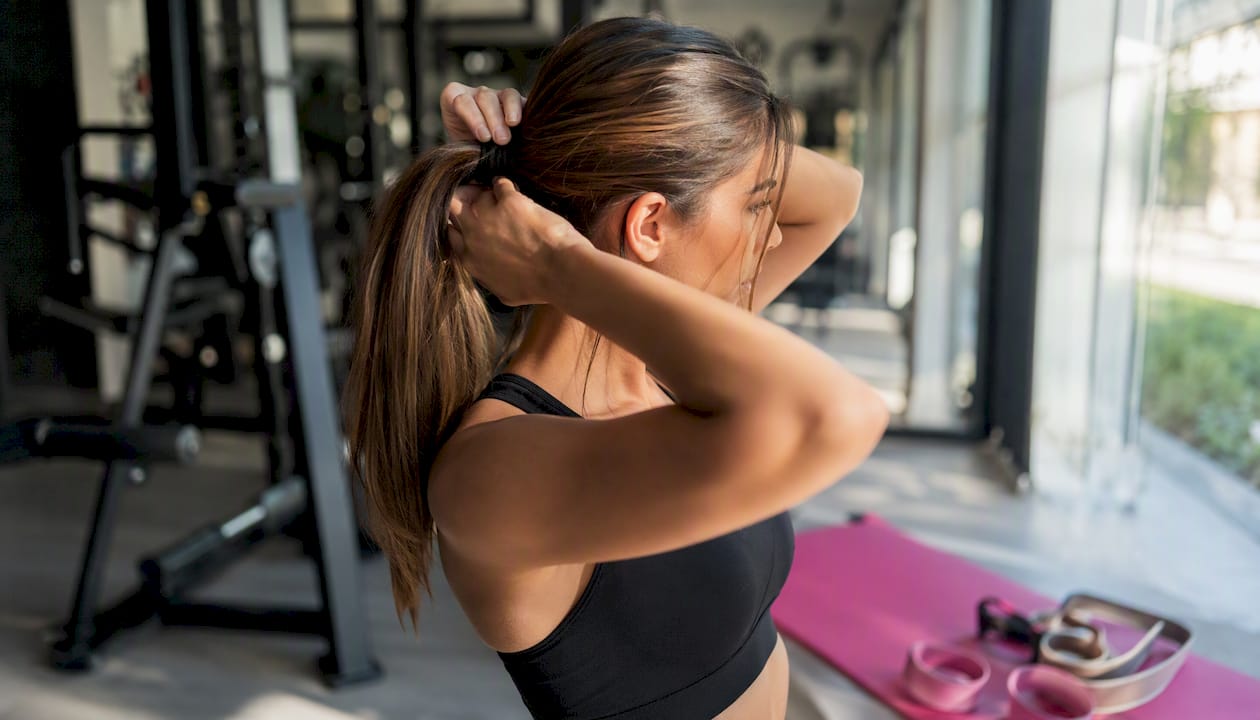
- Choose a low, secure style (bun, braid, or low ponytail) that keeps weight off the attachment points.
- Apply a water-based texture mist at the roots for grip, never an oil-based product.
- Place a wide absorbent headband just below the hairline to catch sweat before it reaches the base.
Pro Tip: Clip-in extensions and hair toppers can handle gym life without frequent replacement(https://www.finehomesandliving.com/fashion/the-gym-girl-s-guide-to-sweat-proof-style-with-hair-extensions-and-hair-toppers/article_7a8b4dfe-506b-47e0-b6d2-57bc2f257d7b.html) when you pair a secure base with a sensible wash rhythm. The prep takes under two minutes.*
Key Takeaways
Securing the base, managing sweat promptly, and detangling after every session are the three habits that protect extensions through regular gym use.
| Point | Details |
|---|---|
| Secure the base before training | Use a low bun, braid, or low ponytail with a silk scrunchie; move clips back from the hairline. |
| Absorb sweat during the session | A wide headband below the hairline intercepts moisture before it reaches attachment points. |
| Detangle and rinse immediately after | Blot with a microfiber towel, release the style, and detangle ends-to-roots before salt dries in. |
| Space out heavy styling and training | Schedule deep conditioning and heat styling on non-training days to reduce cumulative bond stress. |
| Hairlockshairextensions for active clients | Founder Michele’s 30 years of experience informs custom placement plans designed around training schedules. |
Table of Contents
- What are the best gym hairstyles for protecting your extensions?
- How does sweat affect different extension types during a workout?
- Pre-workout checklist: what to do before you train
- Post-workout care: how to recover your extensions after sweating
- Common mistakes that damage extensions at the gym
- What should you pack in your gym bag for extension care?
- Why Hairlockshairextensions recommends 100% human wefts for active clients
- A note from Michele at Hairlockshairextensions
- Hairlockshairextensions: professional extensions built for active lifestyles
- Sources
- FAQ
What are the best gym hairstyles for protecting your extensions?
The right style does two things: keeps your extensions from shifting during movement and reduces friction at the attachment points. Here are eight gym-ready options, matched to workout type.
- Low bun (high-impact cardio): Gather hair at the nape, twist into a bun, and secure with a silk scrunchie. Keep the bun loose enough that it doesn’t pull at the roots. This works for running, cycling, and HIIT.
- Dutch braid (all workout types): Part hair down the center, braid each side starting just behind the ear, and secure at the ends. Dutch braids distribute tension evenly and stay put through heavy movement.
- Pinned low ponytail (cardio and machines): Pull hair into a low ponytail at the nape, then pin the tail up with bobby pins to prevent it swinging and catching on equipment.
- Low single braid (weight training): A single loose braid at the nape keeps extensions off your neck and away from cable machine headrests and bench pads.
- Tucked bun with headband (machines and rowing): Tuck the bun under a wide headband to protect the crown from headrest contact. Position toppers slightly back from the hairline before securing.
- Headband plus low ponytail (light training): A wide headband catches sweat at the edges while a low ponytail keeps length controlled. Simple and effective for yoga, Pilates, and stretching.
- Clip-in placement tip: For clip-in wearers, move clips a finger-width back from the hairline before training. This reduces pressure at the front hairline and prevents visible shifting.
- Topper-specific style: Secure the topper’s clips firmly before braiding or bunning over it. A flat, low braid over the topper keeps it flush against the scalp during movement.
Pro Tip: For clip-ins that tend to slip, lightly mist the root area with a water-based salt spray and gently tease the base section before clipping. The texture gives the clips something to grip.
How does sweat affect different extension types during a workout?
Sweat itself is not the immediate threat. The real problem is salt and moisture left to dry repeatedly in the hair, which causes dryness and brittleness over time. The risk profile varies by extension method.
Bonded extensions (keratin bond): Heat and salt can soften keratin bonds gradually. Avoid very tight high ponytails that concentrate tension at the bond points, and blot the nape area after training. Repeated soaking without rinsing accelerates bond weakening.
Wefts and hand-tied wefts: The main risk is tension at the nape and matting where the weft sits against the scalp. Sweat causes the hair to clump at the base. A low, loose style reduces nape friction, and a post-workout detangle prevents matting from setting.
Tape-in extensions: Tape adhesive is the most sweat-sensitive attachment method. Oils and moisture can migrate under the tape and loosen the bond. Avoid tight high ponytails that pull at the tape base, and keep oil-based products away from the roots entirely on training days.
Micro and nano beads: Micro and nano tip extensions are often recommended for fitness lovers because their small attachment points offer a lower-profile grip. They still require attention to friction and tension. Avoid styles that repeatedly pull the bead against the scalp.
Clip-ins and toppers: The easiest type to protect at the gym. Remove them before swimming, and position clips away from high-pressure contact points such as helmet straps or rowing headrests. Toppers should never be submerged.
Synthetic ponytail extensions: Swap-on ponytails are a practical gym option. Remove before swimming and avoid heat tools post-workout.
| Extension type | Main sweat risk | Key precaution |
|---|---|---|
| Keratin bond | Bond softening from heat and salt | Blot nape; avoid tight high ponies |
| Weft / hand-tied weft | Nape matting and tension | Low loose style; detangle immediately |
| Tape-in | Adhesive slippage from moisture and oil | No oils at root; avoid high ponytails |
| Micro / nano bead | Friction at bead against scalp | Avoid repeated tension styles |
| Clip-ins / toppers | Clip shifting; topper slippage | Secure clips; keep back from hairline |
| Synthetic ponytail | Heat and chlorine damage | Remove before swimming; no heat tools |
Pre-workout checklist: what to do before you train
A two-minute locker-room routine prevents the majority of gym-related extension problems. Work through this before every session.
- Brush first. Start at the ends and work up to the roots with a wide-tooth comb or extension-safe brush. Never start at the root on tangled hair.
- Apply a water-based texture mist at the roots for grip. Skip oil-based serums or creams on training days. The Hairlockshairextensions care sheet lists specific water-based products that are safe for all attachment types.
- Choose your style. Pick from the low bun, braid, or low ponytail options above. Secure with a silk scrunchie or soft elastic, never a rubber band.
- Place your headband. Position a wide absorbent headband just below the hairline, not over the attachment points. This intercepts sweat before it reaches the base.
- Clip-in and topper check. Move clips a finger-width back from the hairline. For toppers, press each clip firmly and confirm the base sits flat.
- Swim prep (if applicable). Braid hair tightly, saturate with fresh water before entering the pool (wet hair absorbs less chlorine), and wear a swim cap. Never submerge toppers or clip-ins.
Pro Tip: On tape-in days, carry a small folded microfiber cloth in your waistband. A quick blot at the nape between sets takes seconds and significantly reduces moisture buildup at the tape base.
Post-workout care: how to recover your extensions after sweating
The cooldown routine matters as much as the pre-workout prep. Salt and sweat left to dry in extension hair repeatedly causes brittleness, so act within a few minutes of finishing your session.
- Blot immediately. Use a microfiber towel to blot roots and lengths. For toppers and clip-ins, lift the base and pat the scalp dry underneath. Never rub.
- Release the style. Take down your bun or braid as soon as possible. Leaving a tight style in while hair is damp increases tension on the attachment points.
- Detangle in sequence. Fingers first to separate large knots, then a wide-tooth comb, then an extension-safe brush. Always start at the ends and work upward.
- Rinse or wash. A quick rinse or co-wash is sufficient after light sweat. A full shampoo is appropriate after heavy sessions, after swimming, or if you train daily. Leaving salt and sweat to dry in extension hair repeatedly causes dryness and brittleness over time, so rinsing after every workout is a sound habit even when a full wash is not needed.
- Dry thoroughly. Air-dry when possible. If you use a dryer, set it to cool or low and dry the roots and weft bases completely. Damp wefts or bonds left overnight can weaken adhesive and encourage buildup.
- Apply a leave-in detangler. A water-based leave-in on the mid-lengths and ends restores moisture without adding weight at the base. Use a salt-residue clarifying shampoo once a week if you train frequently. Check the extension-friendly product guide from Hairlockshairextensions for specific product recommendations.
Pro Tip: Schedule deep conditioning treatments and heat styling on non-training days. Spreading heavy styling sessions across non-consecutive days reduces cumulative stress on bonds and gives your hair time to recover fully.
Common mistakes that damage extensions at the gym
Most extension failures during workouts are preventable. These are the patterns that cause the most damage.
- Too-tight high ponytails. Pulling all the weight of extensions into a high ponytail concentrates tension at the attachment points. Low styles distribute weight more evenly.
- Heavy oils at the base before training. Oils migrate into tape adhesive and keratin bonds during a sweaty session. Save serums and conditioning treatments for post-workout or rest days.
- Sleeping on wet extensions after a session. If you shower post-gym and go to bed with damp hair, bonds and wefts sit in moisture for hours. Dry thoroughly before sleeping.
- Skipping the detangle. Sweat causes extension hair to mat, especially at the nape. Skipping the post-workout detangle allows knots to tighten overnight and become much harder to remove.
Red flags that need professional attention
Watch for these signs and book a stylist appointment if any appear:
- Visible bond separation or a bond that feels loose when you press it.
- Persistent matting at the nape that does not resolve with detangling.
- Scalp irritation, soreness, or redness under attachment points.
- Repeated weft slippage in the same location.
If you notice any of these signs, stop attempting home fixes and see a professional. Bond removal with adhesive solvents requires the right product and technique — using the wrong remover can damage both the extension hair and your natural hair. A trained stylist can reposition wefts, replace bonds, and assess whether the placement needs to change for your activity level.
What should you pack in your gym bag for extension care?
Keep this kit compact. Everything fits in a small pouch.
Must-haves:
- Microfiber towel (blotting, not rubbing)
- Wide absorbent headband or sweatband
- Silk scrunchie or soft elastic
- Travel-size detangler spray (water-based)
- Wide-tooth comb or small extension-safe brush
Emergency fixes:
- Travel-size dry shampoo for scalp use only between washes.
- Two or three spare clips for clip-in touch-ups.
- A small bottle of fresh water for a quick post-swim rinse.
- A small zip pouch to store toppers or clip-ins safely if you remove them.
Leave at home:
Thick creams, heavy conditioning oils, and any product with a silicone or oil base. These slip into attachment points during a sweaty session and accelerate bond loosening, particularly for tape-ins and keratin bonds.
Why Hairlockshairextensions recommends 100% human wefts for active clients
For women who train regularly, the extension method and the quality of the hair both affect how long the result lasts.
Application placement matters just as much as the product itself. For active clients, lower placement keeps wefts away from helmet straps, rowing headrests, and the high-friction nape zone. Even tension across the weft prevents any single attachment point from bearing disproportionate load during movement. Single heavy wefts at the nape are the most common placement mistake for gym-goers.
Micro-bead extensions are another strong option for active clients. Their small, lower-profile attachment points reduce the pressure footprint during high-movement training, provided tension is correctly set at application.
Hairlockshairextensions founder Michele brings 30 years of hands-on experience to every consultation. That depth of practice means placement decisions are made with your lifestyle in mind, not just your hair type. The before-and-after gallery shows real client results across a range of extension types, including wefts and toppers on active clients. For detailed maintenance steps, the Hairlockshairextensions care sheet covers every attachment method with specific product and routine guidance.
A note from Michele at Hairlockshairextensions
Active clients make up a significant part of the consultations at Hairlockshairextensions. The most common issue is not the workout itself. It is the lack of a consistent post-workout routine. My top practical tip: treat the five minutes after your session the same way you treat the five minutes before. Blot, release, detangle. That sequence, done consistently, extends the life of any extension method.
For clients who train four or more days a week, a custom placement plan makes a real difference. Placement that accounts for your training style, the equipment you use, and your wash schedule means fewer repairs and a longer-lasting result. If you train frequently and want a placement plan built around your routine, book a consultation and we will work through it together.
Hairlockshairextensions: professional extensions built for active lifestyles
Hairlockshairextensions offers wefts, micro-bead, nano-bead, keratin bond, and the exclusive Top~Lock V-Part Topper, along with wrap-around ponytail extensions that are a practical removable option for gym days.

Every application includes a personalized consultation with Michele, who factors in your training schedule, wash frequency, and hair type before recommending a method. The result is an extension set that holds through workouts, not just special occasions. Browse the before-and-after gallery to see real client outcomes, then visit Hairlockshairextensions to book your consultation.
Sources
- This 22-Day Arm Plan Will Add Size to Your Biceps and Triceps – Without Changing Your Current Routine
FAQ
Can you go to the gym with hair extensions?
Yes. Working out with extensions is safe when you secure the base with a low style, use a headband to manage sweat, and detangle and rinse promptly after your session.
Does sweat ruin hair extensions?
Sweat does not cause immediate damage, but salt and moisture left to dry in extension hair repeatedly leads to dryness and brittleness over time. Rinsing after every workout prevents buildup.
How should you wear extensions when working out?
A low bun, Dutch braid, or low ponytail secured with a silk scrunchie are the most protective options. Avoid tight high ponytails, which concentrate tension at the attachment points.
What are the best hair extensions for gym-goers?
Human wefts blend naturally after movement, and micro or nano beads offer a lower-profile attachment that handles friction better than tape-in adhesives during frequent training.
Recommended
- Professional Hair Extensions Gold Coast: The Ultimate Guide to Luxury – HairLocks Hair Extensions
- Hair Extension Length Guide: Find Your Perfect Match – HairLocks Hair Extensions
- Extensions for Damaged Hair: Safe Choices That Work – HairLocks Hair Extensions
- Best Extensions for Fine Hair: Safe Methods That Work – HairLocks Hair Extensions