


Save Your Extensions: Salon Proven Micro Bead Care, 48 Hour Rule
The single most important thing for long-lasting micro beads is a disciplined combination of daily gentle detangling and salon move-ups every four to eight weeks, as detailed in the Hair Restoration Blog - Expert Tips & Patient Stories. That rhythm keeps beads secure, prevents matting at the roots, and protects your natural hair from breakage. It starts the moment you leave the salon: a strict 48-hour, no-wash settling period gives each bead time to stabilize before you touch it with water or product.
TL;DR:
- Proper micro bead longevity depends on a strict routine of gentle daily detangling, regular salon move-ups every four to eight weeks, and a 48-hour no-wash settling period.
- Use extension-safe, sulfate-free products, avoid oils and silicones near beads, and dry and braid hair at night to prevent slippage and tangling.
- Wash extensions two to three times weekly with gentle techniques, and limit heat styling to under 350°F to avoid damage and loosening.
- Check beads weekly for movement or mats and avoid attempting home repairs; professional re-tightening and replacement are essential for lasting hold.
- Select bead size based on hair density, with fine to medium hair suited for 2.8mm beads, and thicker hair requiring larger diameters like 4mm for better grip.
Table of Contents
- What Does Daily Micro Bead Maintenance Actually Look Like?
- How Should You Wash and Style Extensions Without Loosening Beads?
- Why Are My Micro Beads Slipping, Tangling, or Falling Out?
- How Often Should You See a Stylist for Micro Bead Maintenance?
- What Salon Experience Teaches About Bead Sizing and Technique
- What Salon Experience Actually Gets Right About Bead Care
- Finding the Right Micro Bead Fit for Your Hair
- Sources
- FAQ
What Does Daily Micro Bead Maintenance Actually Look Like?
Your daily routine matters more than any single product you buy. It’s the repetition that keeps beads from loosening and hair from tangling into knots around them.
Start with the right tools. A loop brush or an extension-safe wide-tooth comb prevents snagging at the bead site, a soft microfiber towel reduces friction when drying, and a silk or satin pillowcase cuts overnight tangling significantly. Brush two to three times a day, always holding the hair just above each bead with one hand while brushing from the ends upward with the other. This takes tension off the bond itself, which is where slippage usually begins.
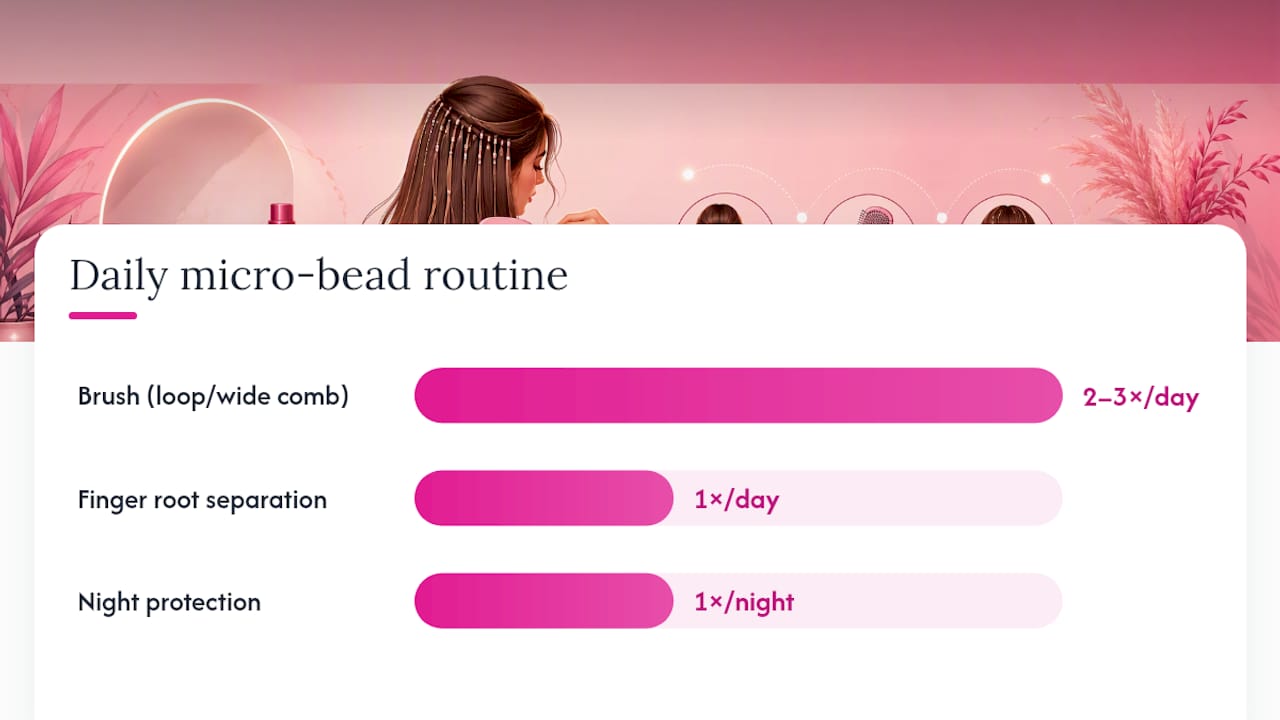
Once a day, run your fingers through the roots to physically separate each bead from its neighbors. This single habit prevents the interwoven matting that develops when strands wrap around each other near the scalp, a common reason people think their extensions are “falling out” when they’re actually just tangled together, according to salon-care guidance from Alpha Hair Extension.
Product choice around the bead site is non-negotiable:
- Use sulfate-free, alcohol-free shampoos and lightweight leave-in conditioners.
- Keep oils, silicones, and heavy styling creams away from the beads themselves; they cause slippage over time.
- Apply conditioner mid-length to ends only, never at the root.
- Choose extension-safe formulas, like these, over whatever is already in your shower.
At night, gather hair into a loose braid or low ponytail before bed and sleep on silk or satin. A full nighttime protection routine does more to prevent morning matting than any product you could apply.
Pro Tip: Run your fingers along each row of beads before bed, not just in the morning. Catching a tangle before you sleep on it is far easier than untangling one after eight hours of friction.
How Should You Wash and Style Extensions Without Loosening Beads?
Washing frequency directly affects how long your beads stay tight. Two to three washes per week is the target; overwashing strips natural oils that help beads grip, while underwashing invites product buildup that can loosen them just as easily.
Follow this sequence every time:
- Brush thoroughly before wetting hair. Wet, tangled extensions are far more prone to bead stress.
- Tilt your head back in the shower rather than forward, and let water run down rather than scrubbing beads directly.
- Shampoo with gentle downward strokes at the scalp, avoiding aggressive rubbing right at the bead line.
- Apply conditioner from mid-length to ends only, then rinse with cool water to seal the cuticle.
- Blot hair with a microfiber towel instead of rubbing, and make sure the area around each bead is fully dry before styling or sleeping.
Heat styling deserves its own caution. Always apply a heat protectant first, and keep tools below 350°F when working near the roots. Excess heat near the bead site can warp the material or make silicone linings brittle over time. If you swim, wear a cap when possible, and rinse hair immediately afterward with fresh water. Chlorine and salt both leave mineral buildup that dries out the bond area and accelerates slippage.
Why Are My Micro Beads Slipping, Tangling, or Falling Out?
Most micro bead problems are fixable at home if you catch them early. Run your fingers down each row weekly and check for three warning signs: visible bead movement when you tug gently, unusual tension or tightness at the scalp, and small mats forming just above the bead.
If a bead has slipped but not fallen out entirely:
- Gently separate the surrounding hair by hand rather than pulling or twisting the bead itself.
- Collect any extension strand that has fully detached and bring it to your next appointment. Many stylists can reuse it.
- Never attempt to re-crimp or tighten a bead yourself with household pliers. You risk crushing the hair strand inside it or damaging your natural hair.
Product buildup is one of the most common, and most overlooked, causes of slippage. Oils and silicones coat the bead surface and let hair slide right out of the crimp. A clarifying shampoo used once every one to two weeks, followed by the two-step fix of a thorough clarifying wash and a professional re-tighten, typically restores grip without a full removal, based on care guidance from Alpha Hair Extension.
Stop troubleshooting on your own and call your stylist if you notice repeated slippage across multiple beads, scalp irritation or redness, or any sense that beads feel overtightened and painful. Those are signs the installation needs professional attention, not another home fix.
How Often Should You See a Stylist for Micro Bead Maintenance?
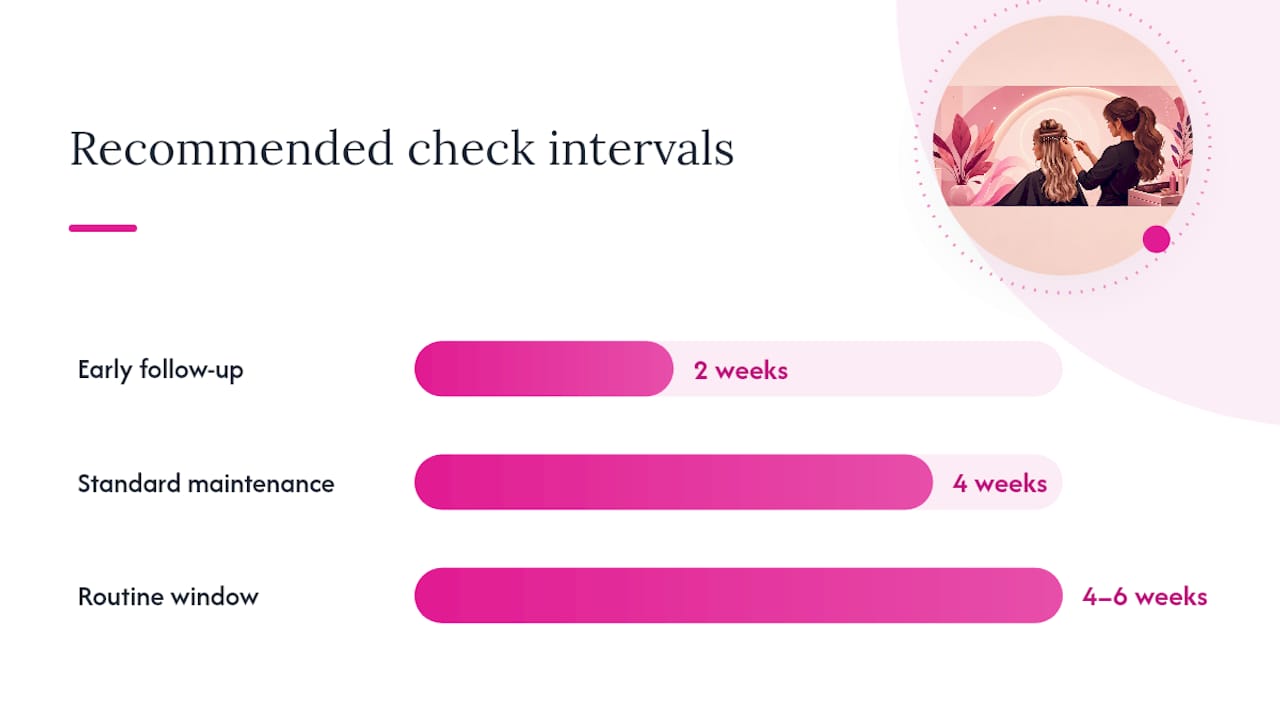
Professional maintenance every several weeks is standard, with the exact timing depending on how fast your hair grows, your hair type, and how active your lifestyle is, according to ShunSalon’s guidance on wear time. Faster growth or high-sweat activity, like regular workouts or swimming, usually means booking closer to the four-week mark.
A proper maintenance appointment covers more than just moving beads up:
- Full inspection of every bead for looseness, damage, or discoloration.
- Move-up to reposition beads closer to the scalp as your natural hair grows out.
- Replacement of any damaged or overly worn extension strands.
- A scalp health check to catch irritation, buildup, or tension before it becomes a bigger problem.
Removal should always happen in a salon chair, not your bathroom. Stylists use specialized pliers to gently open each bead, slide the extension strand free without tugging on your natural hair, then rinse and condition the scalp afterward. Attempting this at home is one of the fastest ways to snap natural hair or damage the follicle, since there’s no controlled way to reopen a crimped bead without the right tool, per ShunSalon. With consistent care, well-maintained extensions can be reused across multiple reapplications rather than replaced entirely, stretching your investment across several months. Early follow-up appointments, typically a check at two weeks after first install and again around four to six weeks, catch slippage before it becomes a pattern.
What Salon Experience Teaches About Bead Sizing and Technique
Thirty years in the chair teaches you that bead size isn’t a cosmetic choice. It’s a structural one. HairLocks founder Michele built her approach around matching bead diameter to hair density, because a bead too large for fine strands slips, and one too small for thick hair creates visible tension at the root.
At your next appointment, ask what bead size and material fit your specific hair type, how many strands per bead your stylist recommends, and what your personalized move-up schedule should look like. A professional re-tighten should always include a full inspection, not just a quick squeeze of loose beads.
What Salon Experience Actually Gets Right About Bead Care
Most advice about micro bead care focuses on product lists: the right shampoo, the right serum, the right detangling spray. Thirty years of salon work suggests that’s backwards. Products matter far less than rhythm. A woman who brushes correctly twice a day and shows up for her four to eight week move-up will outlast someone with a shelf full of extension-safe products but no consistent routine.
The 48-hour settling window is the most skipped step, and it shouldn’t be. Clients want to wash and style immediately, but that window is when beads are most vulnerable to movement. The second most overlooked habit is the daily finger-separation check. It takes fifteen seconds and prevents the majority of matting complaints that walk through a salon door.
If there’s one thing worth prioritizing above all else, it’s this: treat your maintenance schedule as fixed, not flexible. Extensions don’t fail because of bad products. They fail because appointments get pushed back one week too many, one time too often.
— HairLocks
Finding the Right Micro Bead Fit for Your Hair
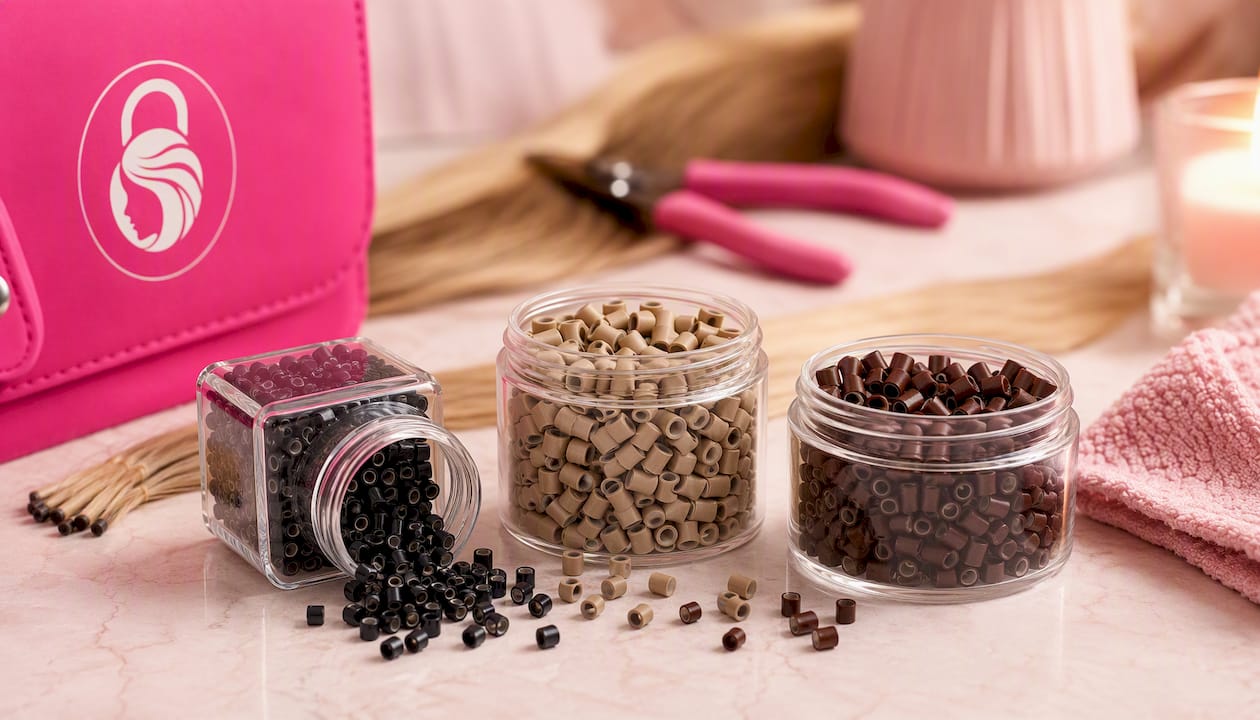
Getting your bead size right from the start does more for longevity than any aftercare product ever will. HairLocks’ Micro-Bead Hair Extensions in 2.8mm suit fine to medium hair that needs a smaller, more discreet attachment point. The Flare Silicone Micro-Bead Hair Extensions at 3.4mm add a silicone lining for extra grip, a good fit for medium-density hair that tends to slip out of standard beads. For thicker hair that needs a firmer hold, the Silicone Micro-Bead Hair Extensions at 4mm provide the larger diameter and stronger grip that finer beads can’t deliver.
Some sellers offer personalized consultations that help match you to the right bead size and installation technique before a single strand goes in, rather than guessing and correcting later. That consultation, plus a printable care sheet covering your exact routine, means you leave with a maintenance plan built around your hair, not a generic pamphlet. Remember the 48-hour settling rule applies no matter which bead size you choose. Book a consultation, get matched to the right product, and start your extensions off with a routine designed to make them last.
Sources
- How long do microbead hair extensions stay in for (ShunSalon)
- Micro Bead hair extensions care guide (Alpha Hair Extension)
FAQ
How Should You Care for Micro Bead Hair Extensions Daily?
Brush two to three times a day from ends to roots while holding the bead steady, separate bonds daily with your fingers, and stick to sulfate-free, oil-free products near the bead site.
How Long Can You Keep Micro Bead Extensions In?
With consistent care and move-ups every several weeks, most micro bead extensions can be reused across multiple reapplications, though most stylists recommend a full removal and reassessment after a few months if maintenance has lapsed.
Why Do Micro Bead Extensions Fall Out?
Beads typically loosen from product buildup (oils and silicones coating the crimp), overdue move-ups as natural hair grows out, or matting that pulls on the bond until it slips.
What Are the Pros and Cons of Micro Bead Extensions?
They offer a heat-free, adhesive-free application with reusable strands and natural movement, but they require a disciplined daily routine and regular salon visits, and skipping either significantly shortens their lifespan.
How Often Should Micro Beads Be Moved Up?
Every four to eight weeks is standard, with faster hair growth or higher activity levels pushing that closer to the four-week end of the range.