


Stop Bond Damage: Brushing Hair Extensions the Salon Way in 5 Minutes
Brush extensions starting at the ends, working upward in small sections, always supporting the attachment point with your free hand. Use a loop or soft-bristle detangling brush, never a fine-tooth comb or ball-tipped bristle brush. Brush gently twice a day, and when hair is wet, blot first, apply a light detangler, and finger-detangle before any brush touches the strands.
TL;DR:
- Using a loop or flex brush and detangling before washing minimizes tension and prevents damage at the attachment points during daily styling.
- Brushing from the ends upward in small sections supports extension longevity, especially when combined with gentle, short strokes and finger detangling at resistance.
- Wet extensions require careful handling with a wide-tooth comb after blotting to avoid irreversible damage from aggressive brushing while damp.
- Maintaining a twice-daily brushing routine and sleeping on silk significantly reduces surface tangles and mat formation at the bond line overnight.
- Regular professional checks, trimming frayed ends, and using extension-specific products help extend the lifespan and appearance of hair extensions.
Table of Contents
- Why Brushing Technique Matters for Hair Extension Longevity
- Which Brush and Tools Actually Work on Extensions?
- How Do You Brush Extensions Step by Step?
- Can You Brush Wet Hair Extensions Safely?
- What’s the Right Brushing Schedule for Extensions?
- How Should You Brush and Condition on Wash Day?
- What Do You Do When Extensions Are Badly Matted?
- How Should You Protect Extensions Overnight?
- What Salon Professionals Know About Extension Care
- The One Habit That Changes Everything in Consultations
- Get the Right Extensions and Care Products for a Routine That Actually Works
- Sources
- FAQ
Why Brushing Technique Matters for Hair Extension Longevity
Extensions do not get the natural oils your scalp produces, which makes the mid-lengths and ends drier and more prone to friction damage than the hair growing out of your own head. That dryness, combined with the mechanical stress of a bond, weft, or bead, means a brushing habit that works fine on natural hair can wreck extensions fast.
Top-down brushing is the biggest culprit. It pushes tangles downward instead of releasing them, compacting knots into dense mats right where the attachment sits. Stylists note that the technique that works on natural hair can actually damage extensions if you start at the roots instead of the ends.
A few habits separate extensions that last from extensions that shed early:
- Detangle before every wash, not just when hair feels rough.
- Brush after wind exposure or workouts, when surface tangles form fastest.
- Never force a brush through resistance. Stop and work with fingers instead.
Daily gentle brushing, morning and evening, prevents small tangles from consolidating into mats that stress the bond line and shorten the life of the install.
Which Brush and Tools Actually Work on Extensions?
A loop or flex brush is the standard recommendation for a reason. The looped filaments glide across tape, keratin bonds, and micro beads instead of hooking on them the way a traditional bristle brush does. That gliding motion is what keeps tension off the attachment point during a normal detangling session.
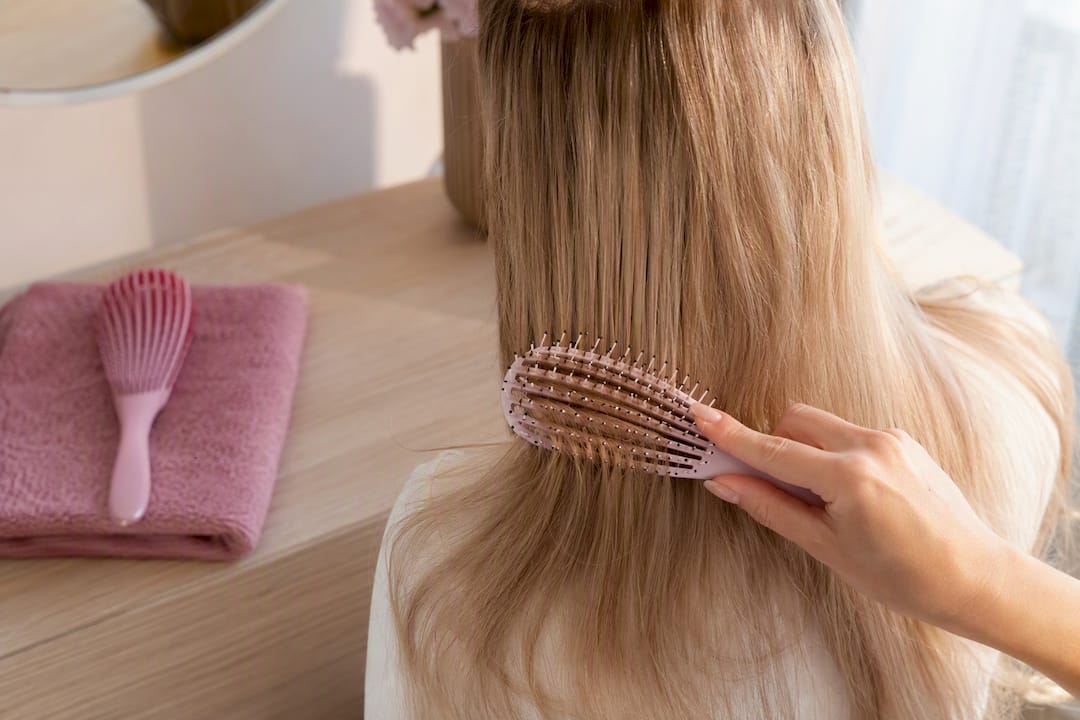
For wet hair, reach for a wide-tooth comb or a wet-specific detangling brush designed with flexible bristles. Both move through saturated strands with less pulling than a standard brush.
Avoid these near your attachments:
- Ball-tipped bristle brushes, which snag on tape wefts and bonds.
- Fine-tooth combs, which catch and rip through knots instead of easing them apart.
- Stiff paddle brushes, which apply too much even pressure across the whole section, including right at the root.
A boar-bristle or soft finishing brush has a place too, but only for smoothing the surface once tangles are already gone. It is a polish tool, not a detangling tool.
Pro Tip: Keep a loop brush in your bag for touch-ups after wind or workouts. A 30-second pass through the ends prevents the kind of surface tangle that turns into a bond-line mat by the time you get home.
How Do You Brush Extensions Step by Step?
This is the routine to follow every single time, whether you are doing a quick midday check or a full detangling session before bed.
- Divide the hair into sections. Working in smaller sections gives you control and lets you spot tangles before they compound.
- Start at the very ends, the last 2 to 3 inches, and brush that section fully smooth before moving up at all.
- Support the attachment point with your hand as you brush higher. Holding just above where the extension meets your own hair transfers tension to your palm instead of the bond.
- Use short, deliberate strokes, not long sweeping ones. Short strokes let you feel resistance immediately instead of plowing through it.
- Stop at any stubborn knot. Do not force the brush through. Separate the knot with your fingers first, then apply a light detangling spray if it still resists.
- Move upward gradually, section by section, only advancing once the section below is fully smooth.
- Finish by smoothing mid-lengths to ends in one final pass to even out the texture.
Once the extensions are smooth, stop. Over-brushing, even with the right tool, creates unnecessary friction on strands that already get no natural conditioning from your scalp.
Pro Tip: If you find yourself brushing the same section three or four times without progress, that is your signal to switch from brush to fingers. Extensions rarely need force. They need patience.
Can You Brush Wet Hair Extensions Safely?
Wet extensions are the most fragile version of themselves. Water causes the hair cuticle to swell, and aggressive brushing while wet can cause irreversible texture changes like frizz or stretched-out waves that no amount of conditioner will fix.
The safe sequence looks like this:
- Blot excess water with a microfiber towel or soft cotton shirt. Never rub or twist.
- Apply a lightweight leave-in or detangler to mid-lengths and ends only.
- Finger-detangle first, working out the biggest knots before any tool touches the hair.
- Follow with a wide-tooth comb or loop brush, using gentle, short strokes.
Never brush straight through from root to end while hair is still heavily saturated. Wait until it is closer to damp than dripping.
What’s the Right Brushing Schedule for Extensions?
Two sessions a day cover most of what your extensions need: one in the morning to reset overnight tangles, and one before bed to clear whatever the day added.
Add an extra pass after exercise, swimming, or a windy day outside. Wind and outdoor exposure accelerate surface tangling, and brushing soon after being outdoors keeps those tangles from consolidating into mats at the bond line overnight.
| Time | What to do | Why it matters |
|---|---|---|
| Morning | Full brush-through, ends to roots | Clears overnight tangles before styling |
| After activity | Quick loop-brush pass | Stops wind or sweat tangles from setting |
| Before bed | Gentle detangle, then braid or loose ponytail | Prevents matting at the bond line overnight |
Each session takes well under five minutes once the routine becomes automatic.
How Should You Brush and Condition on Wash Day?
Detangle before you wet the hair, not after. A pre-wash brush-through, ends first, removes tangles while they are still easy to manage.
When you shampoo, work in a downward motion and avoid scrubbing directly at the bonds or tape areas. Extensions require more mindful detangling than natural hair, and that principle carries straight into the shower.
- Apply shampoo to the scalp and lengths, rinsing downward rather than scrunching upward.
- Place conditioner from mid-lengths to ends only, keeping it off bonds, tape, and beads.
- Rinse thoroughly so no residue sits near the attachment points.
- Blot dry, apply a leave-in, finger-detangle, then follow with a gentle brush pass.
A lightweight leave-in improves slip and cuts down on breakage without weighing the strands down, as long as it is applied to lengths and ends rather than the roots. For a deeper look at which formulas are extension-safe, the extension-friendly hair products guide breaks down what to keep in your shower caddy and what to skip.
What Do You Do When Extensions Are Badly Matted?
Work through resistance in stages instead of forcing a single tool through a mat. Start with fingers to loosen the outer layer, follow with a detangling spray, then a wide-tooth comb, and only bring in a loop brush once the worst of the tangle has eased.
- Never yank a brush through a mat. That is how bonds slip or natural hair snaps at the root.
- If a mat has formed right at the attachment point and causes any discomfort, stop and book professional removal instead of pulling at it yourself.
- Skip heavy oils or waxy styling products near the bonds. They attract buildup, and buildup is what turns a manageable tangle into a genuine mat.
Stubborn tangles at the bond line respond best to this stop, spray, and finger-work sequence. Dense matting that will not budge is a job for your stylist, not your bathroom mirror.
How Should You Protect Extensions Overnight?
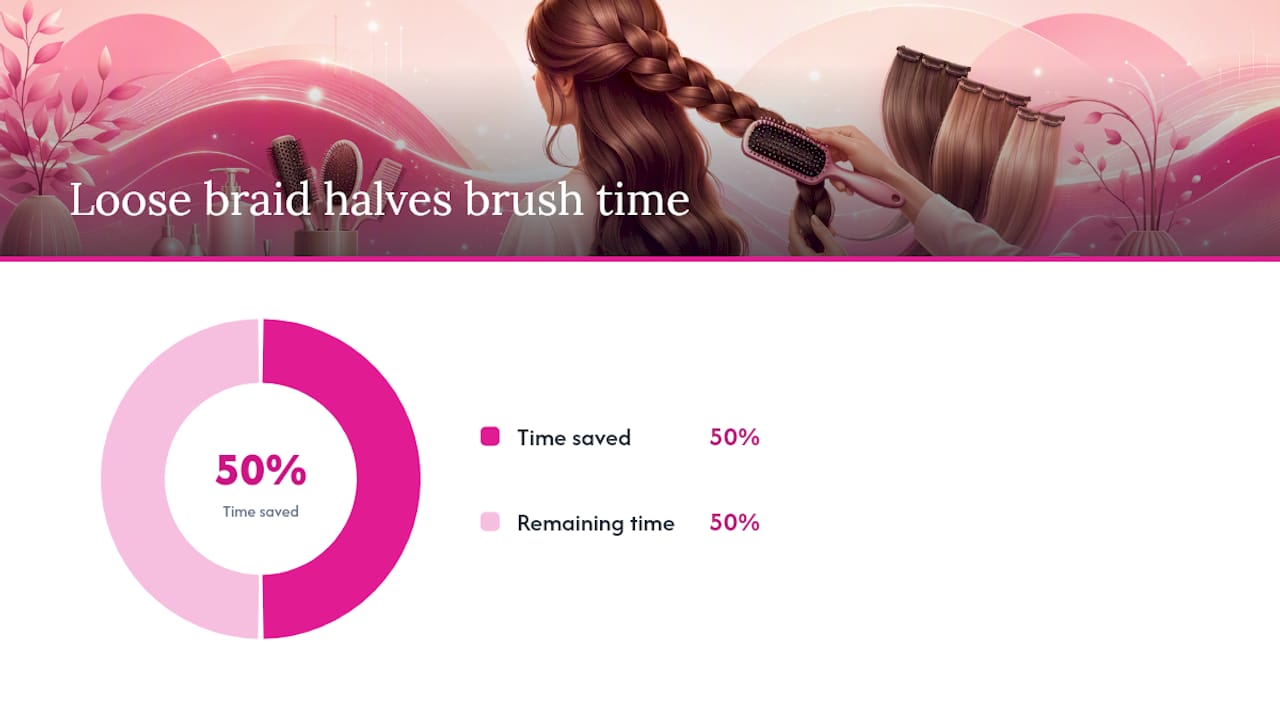
Friction while you sleep undoes half the work you put in during the day. A silk or satin pillowcase, or a silk scarf wrapped loosely around the hair, cuts down on the surface friction that causes overnight tangling. Stylists recommend sleeping on silk specifically because it lets hair glide instead of catch. Tie hair into a loose braid or soft ponytail before bed rather than leaving it completely free.
If you wear clip-ins or a U-part extension, clean and dry it fully before storing it flat or hanging it, so the fibers stay aligned instead of bending in one direction.
- Brush once before bed, every night, no exceptions.
- Braid or loosely tie hair before sleeping.
- Store removable pieces flat or hung, never crumpled in a bag.
Pro Tip: A loose, low braid does more for tangle prevention than any product. It is the single habit most likely to cut your morning brushing time in half. For a full breakdown of nighttime routines, see how to sleep with hair extensions without damage.
What Salon Professionals Know About Extension Care
Michele, HairLocks’ founder, brings 30 years of installer experience to how extensions get maintained after they leave the chair, and that experience shapes some fairly specific habits worth borrowing.
- Trim frayed ends early. A small salon trim prevents fraying from spreading into the rest of the strand.
- Recheck bonds regularly. Extensions that get regular maintenance visits hold their pattern and shine noticeably longer than ones left untouched.
- Match leave-in products to extension type. What works on human hair extensions can weigh down synthetic pieces differently.
- Follow a written checklist rather than guessing. HairLocks’ care sheet lays out the maintenance cadence in a format you can keep by the bathroom mirror.
Consistent care between salon visits is what makes the visits themselves faster and less corrective.
The One Habit That Changes Everything in Consultations
The bond-hold technique, hand above the brush stroke, comes up in nearly every consultation. It is a small adjustment that clients pick up in minutes and rarely forget once they feel the difference. A loose overnight braid is the second habit worth adopting immediately. Keep your 6 to 8 week maintenance visits on the calendar.
— HairLocks
Get the Right Extensions and Care Products for a Routine That Actually Works
The right brushing routine starts with the right install. HairLocks’ U Part Clip Hair Extensions in Champagne Blonde come in a 24 inch length at 260 grams for real thickness and a natural blow-dry wave, made from 100% human hair that responds to the same gentle, loop-brush technique covered above.
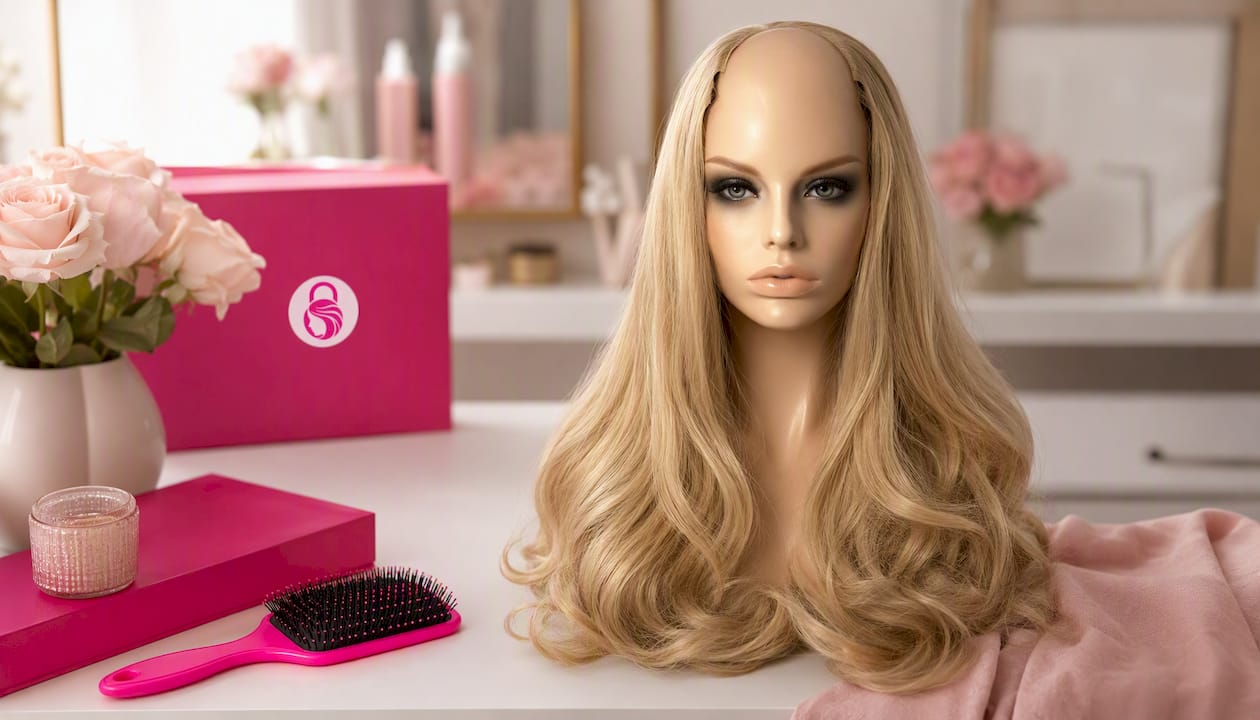
Human hair extensions hold up to proper brushing technique in a way synthetic fibers cannot, since heat and product absorb the way your own hair would. Pair the U Part piece with a lightweight leave-in like Miami Beach Bum’s reef-safe leave-in conditioner for extra slip on wash days, and keep HairLocks’ leave-in conditioner guidance handy for product placement near bonds. Visit the product page to check length and color availability, and download the care sheet before your first wash.
Sources
- How to Care for Hair Extensions: Washing, Styling & Maintenance Tips – Color Wow UK
- These Hair Extension Care Tips Will Help Yours Last Longer | Allure
FAQ
Can You Brush Your Hair if You Have Extensions?
Yes, and you should, but always start at the ends and work upward with a loop or soft-bristle brush while supporting the attachment point with your hand.
What Are the Do’s and Don’ts of Caring for Hair Extensions?
Do brush twice daily, condition mid-lengths to ends only, and sleep on silk; don’t brush from root to tip, apply conditioner or oil near the bonds, or force a brush through a mat.
What’s the Fastest Safe Way to Dry Hair Extensions?
Blot with a microfiber towel to remove excess water, then air-dry or use a blow dryer on a low, cool setting while lifting sections with your fingers rather than a brush.
How Do You Keep Extensions Soft and Silky?
Use a lightweight leave-in on mid-lengths and ends, avoid heavy oils near the bonds, and stick to gentle, twice-daily brushing with a loop brush to prevent the friction that dulls texture over time.